
In most cases, ceramic coatings begin their initial cure within 24 to 72 hours, but reaching a full cure typically takes around 1-3 weeks. During this time, the coating continues to harden and strengthen as it bonds with the paint. In that stage, even a little scrunch can turn out to be a big deal.
Also, curing time depends on environmental conditions such as temperature, humidity, airflow, and sunlight exposure. So, you need to be extra careful at this time. Read on to find out what care guide you need to follow.
What Does “Ceramic Coating Cure Time” Actually Mean?
Ceramic coating cure time means the amount of time the coating needs to fully bond with your car’s paint and harden into a protective layer.
After application, the coating doesn’t become solid immediately. Instead, it undergoes a chemical reaction in which the liquid formula gradually forms a durable, glass-like shield over the clear coat.
As the coating cures, it forms a hydrophobic surface that allows water to bead and dirt to slide off easily while enhancing the paint’s gloss and protection.
If the coating doesn’t get enough time to cure properly, it may not deliver the full durability, shine, or long-term protection it’s designed to provide.
Difference Between Flash Time, Initial Cure, and Full Cure
The curing process happens in 3 stages: flash time, initial cure, and full cure. 3 different things happen in this stage:
| Curing Stage | Timeframe | What Happens |
| Flash Time | A few minutes after the application | The coating begins to react with air, and solvents start to evaporate. Detailers level or wipe the coating to ensure an even finish. |
| Initial Cure | 24–72 hours | The ceramic coating begins to bond with the clear coat, forming a protective layer. |
| Full Cure | 7-20 days (sometimes longer depending on conditions) | The chemical bonding process finishes, and the coating reaches its maximum hardness and durability. |
Factors That Affect Ceramic Coating Curing Time
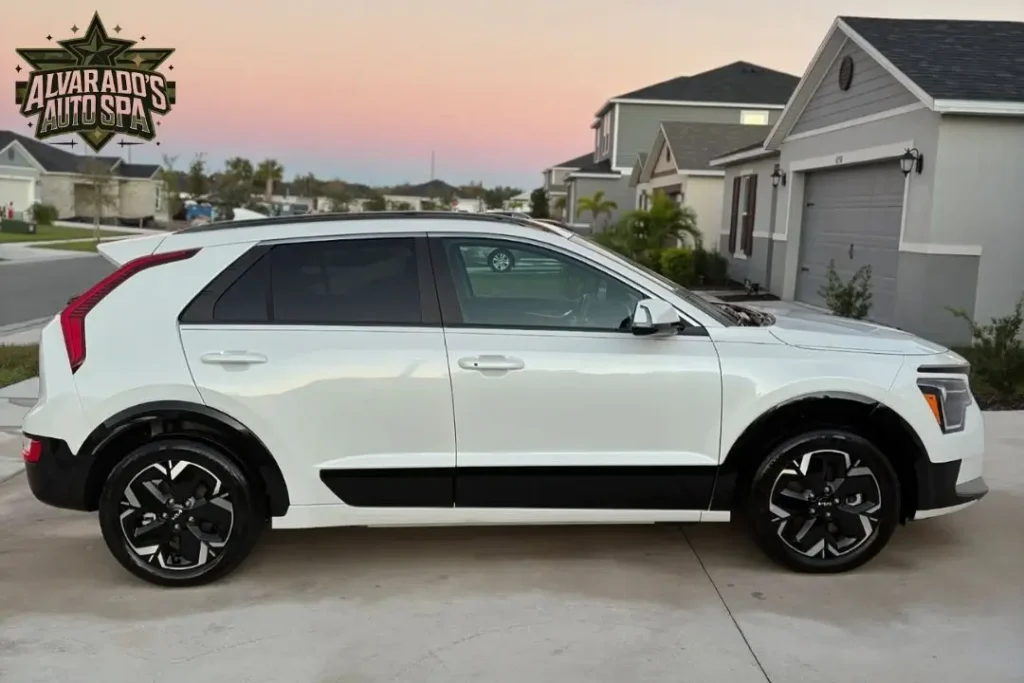
After doing so many ceramic coatings on cars for over the years, we have seen a few things influence the curing time, like:
1. Temperature and Humidity
Temperature and humidity have a big impact on how fast a ceramic coating cures. Warm weather helps the coating bond faster, while cooler temperatures slow it down.
For example, coatings applied at temperatures above 70–80°F (21–27°C) usually start curing noticeably more quickly than those applied in colder conditions.
Humidity also affects the process. In Florida, humidity often stays between 60–80%, which can slow curing because moisture in the air interferes with proper bonding of the coating.
2. Application Environment
Where the ceramic coating is applied also affects curing time. A controlled indoor detailing bay provides the best environment because it protects the vehicle from dust, rain, and sudden temperature changes.
Outdoor applications expose the coating to sunlight, humidity, and airborne contaminants, which can interfere with the bonding process. Professional detailers often work indoors to ensure the coating cures evenly and reaches maximum durability.
3. Surface Preparation
Proper surface preparation is essential for a successful ceramic coating application and curing process. Before applying the coating, professionals usually perform paint correction, clay bar treatment, and an IPA (isopropyl alcohol) panel wipe.
These steps remove contaminants, oils, and imperfections from the paint surface. When the surface is completely clean and smooth, the ceramic coating can bond more effectively, which improves curing quality and long-term protection.
4. Type of Ceramic Coating Used
Not all ceramic coatings cure the same way. Some consumer-grade coatings are designed for easier application and may cure slightly faster, but they usually offer shorter durability.
On the other hand, professional-grade SiO₂ nano ceramic coatings are stronger and create a more durable protective layer. But they often require more precise application conditions and a longer curing period.
Because of this, professional detailers sometimes use specialised equipment and controlled environments to ensure the coating cures properly.
Professional Curing Methods Used by Detailers
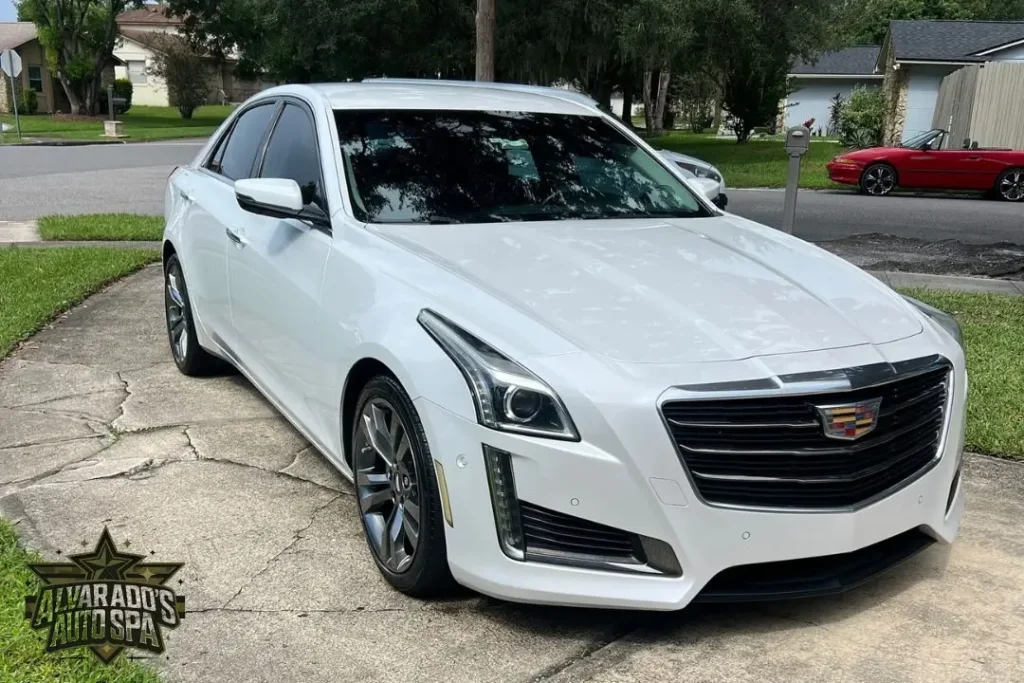
We use those techniques to cure your ceramic-coated car faster:
1. Infrared Curing Lamps
We mostly use infrared (IR) curing lamps to speed up the curing process. These lamps produce controlled heat that helps the ceramic coating bond more quickly to the vehicle’s clear coat.
The heat activates the chemical reaction inside the coating, allowing it to harden more quickly and evenly. This helps reduce curing time and improves the coating’s strength and durability.
2. Controlled Indoor Detailing Bays
Ceramic coating cures best in a clean, controlled indoor environment. That’s why we often work inside detailing bays where temperature, humidity, and dust levels can be managed.
A dust-free space prevents dirt and other contaminants from settling on the coating as it cures. This controlled environment helps the coating bond properly. It results in a smoother, more flawless finish.
3. Multi-Layer Ceramic Coating Applications
Some professional ceramic coatings are applied in multiple layers to increase protection and durability. When this method is used, each layer needs a short curing period before the next one is applied.
It gives the coating time between layers, ensuring the coating bonds correctly and builds a stronger protective barrier. The result is a thicker, more durable coating that can last much longer and provide better protection for the vehicle’s paint.
What Happens If Ceramic Coating Gets Wet Too Soon?
Ceramic coating is delicate during its curing period. If it is exposed to water, dirt, or other contaminants too early, the coating may not bond properly. It even reduces its protection and shine.
Even a small amount of moisture or debris can interfere with the curing process and create imperfections in the finish. And all those things lead to 2 risks, as in:
1. Water Spots During Cure
Rain or even sprinklers can leave spots or streaks on the coating because it hasn’t fully hardened yet. These spots can be difficult to remove without damaging the coating if they occur too early.
2. Contamination Problems
Dust, bird droppings, tree sap, or salty coastal air can settle on the coating and interfere with its chemical bonding. If contaminants are left on the surface during curing, they can cause dull areas or uneven protection.
Those things can ruin your car’s appearance in a big way. So what to do? Is there any way to avoid this?
Yes, there is a way to avoid these issues, keep your car dry and covered during the first 5–7 days after application, especially in Florida’s humid or rainy climate. That way you can protect your car in a look run.
Ceramic Coating Aftercare During the Curing Period
If you want a faster cure, then take care of your car right way like:
1. Avoid Washing Your Car
The very first wash should wait at least 7 days, or up to 14 days in humid or cold conditions. Washing too soon can disrupt the coating’s chemical bonding. It basically reduces its effectiveness and leaves streaks or spots. Patience here ensures your coating cures fully and delivers the long-term protection you paid for.
2. Keep the Car Dry
During the curing period, it’s important to keep your car away from rain, sprinklers, or any water exposure. Even a small amount of water on an uncured coating can interfere with bonding. It can cause uneven coverage or reduce the hydrophobic effect. If possible, park your car in a covered garage or use a car cover for extra protection.
3. Avoid Harsh Chemicals
Avoid using strong detergents, degreasers, or household soaps on the coating during curing. These chemicals can strip or weaken the layer before it fully hardens. Once the initial curing period is complete, you can safely wash your ceramic-coated car with a pH-neutral, wax-free shampoo.
Signs Your Ceramic Coating Is Fully Cured
Here few sign that tells ceramic cost is fully fit on your car:
- Strong Water Beading
- Glossy, Reflective Finish
- Smooth, Slick Surface
- Consistent Water Sheeting
- Resistance to Light Scratches or Swirl Marks
- Durable Hydrophobic Effect
- Easy Cleaning
When your car shows most or all of these signs, you can be confident that your ceramic coating has fully cured and is protecting your paint as intended.
Common Mistakes Florida People Make With Their Freshly Coated Car
Some of the most common mistakes we have seen Florida people make that ruin their freshly coated cars’ look:
- Washing Too Soon
- Using Automatic Car Washes
- Exposing the Car to the sun and Heat Immediately
- Ignoring Humidity and Rain
- Using Harsh Chemicals
- Skipping Proper Drying
You can make sure your ceramic coating reaches full durability and maintains its hydrophobic effect by avoiding those mistakes.
Which Practices Can You Do for Better Ceramic Coating Curing?
If you want a faster cure, then do this:
1. Apply the Coating in a Controlled Environment
Whenever possible, apply the ceramic coating indoors in a clean, dust-free space. Outdoor conditions like wind, dust, and high humidity can interfere with bonding and cause uneven curing. A controlled environment ensures the coating hardens evenly across the entire vehicle.
2. Keep Your Car Dry
For the first 5–7 days after application, avoid exposing your car to rain, sprinklers, or washing. Even a small amount of water can disrupt the coating as it bonds with the paint, leading to streaks, spots, or reduced protection.
3. Use pH-Neutral, Wax-Free Soaps
When it’s finally time to wash the car, always use pH-neutral, wax-free shampoos. Harsh detergents, household soaps, or degreasers can damage the coating before it has fully cured, reducing its longevity and hydrophobic properties.
4. Park in Shade or a Garage
Direct sunlight, especially Florida’s intense sun, can cause uneven drying or streaks during curing. Parking your car in a garage or shaded area helps protect the coating and ensures it bonds evenly with the paint.
5. Consider Professional Curing Methods
While optional for DIY applications, professionals sometimes use infrared (IR) curing lamps to speed up bonding and stabilise the coating. These methods help ensure full strength and durability, but patience and proper home care are just as effective when followed correctly.
That’s it! You can ensure your ceramic coating cures properly just by doing this.
Conclusion
After all my experience with ceramic coatings, I can honestly say that giving your car enough time to cure makes all the difference. When done right, your car will have that deep, glossy shine, repel water and dirt effortlessly, and stay protected against Florida’s intense sun, humidity, and salty coastal air.
If you want to skip the stress of DIY and make sure your coating cures perfectly, Alvarado Auto Spa has you covered. Our team handles everything with care from proper surface prep to expert application and aftercare. So, your car gets long-lasting protection and that showroom finish.
Frequently Asked Questions
Can ceramic coating cure in the sun?
Yes, but direct sunlight can sometimes cause uneven curing or streaks if the coating is exposed immediately after application. Professionals often apply coatings in shaded or controlled indoor areas to ensure the chemical bonding happens evenly. In Florida, especially, it’s a good idea to park in a garage or shaded area while the coating cures.
What happens if it rains after ceramic coating?
Rain can interfere with the curing process if it happens during the first few days after application. Water can leave spots, streaks, or even prevent the coating from fully bonding with the paint. If your car gets wet during this time, gently dry it and avoid washing until the coating has fully cured.
Can you speed up ceramic coating curing?
There are ways professionals help coatings cure faster, like using infrared (IR) lamps or controlled indoor environments, but for most DIY applications, time is the safest factor. Rushing the process with heat or chemicals can damage the coating. The best approach is to let it cure naturally while keeping the car dry and protected for 5–7 days.
dapoxetine online
dapoxetine online
[…] coating on the headlight can last around 1 to 3 years of protection. Shorter-lasting, DIY-style coatings usually fall in the 6–12 […]
wegovy semaglutida ou tirzepatida
wegovy semaglutida ou tirzepatida
metronidazole gel .75 for rosacea
metronidazole gel .75 for rosacea