
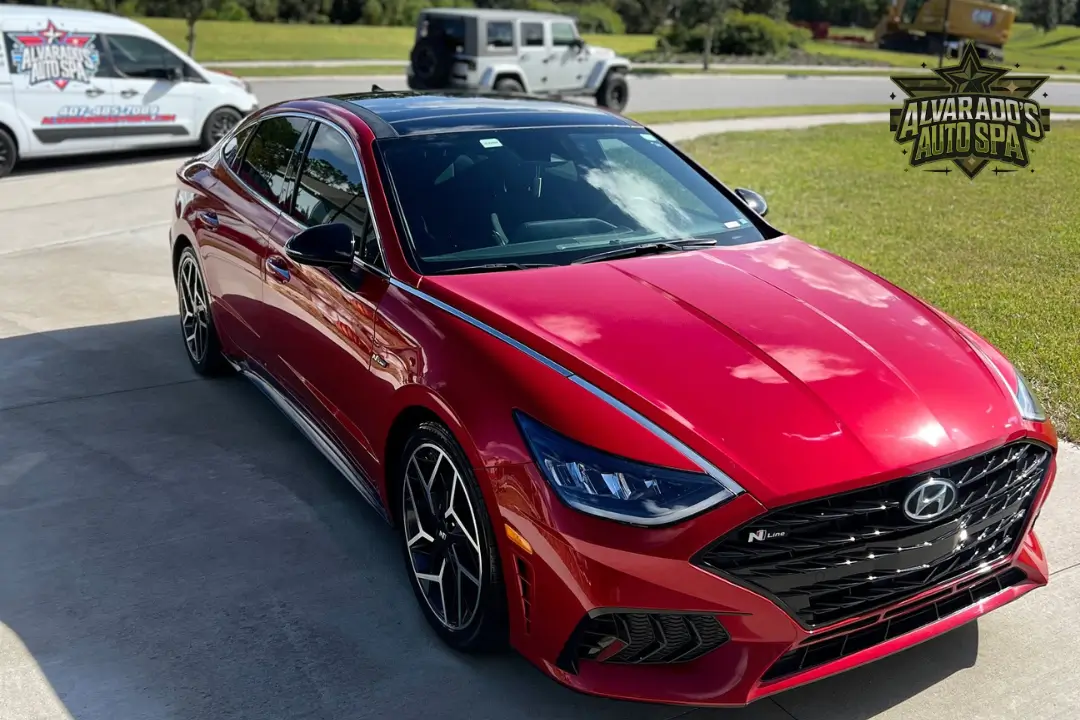
Ceramic coating makes your car easier to maintain, but it doesn’t mean you can forget about care completely. A lot of people apply a coating and expect it to handle everything on its own. In reality, how you maintain it decides how long it actually performs.
With the right routine, your coating keeps that slick feel, strong water beading, and clean look for years. Without it, even a good coating can start to lose its effect much sooner than expected.
The good part is, maintenance isn’t complicated. You don’t need anything extreme, just the right habits, the right products, and a bit of consistency. Once you get that right, your car stays cleaner, looks better, and takes less effort to maintain over time.
Does Ceramic Coating Require Maintenance?
Yes, it does, but not in a complicated way. Ceramic coating makes your car easier to care for, not maintenance-free. You’ll still need to wash and look after it, but the effort is lower, and the results last longer than with unprotected paint.
The coating won’t suddenly fail if you don’t take care of it. But it will slowly lose its performance. You’ll notice water not beading as well, more dirt sticking to the surface, and the shine not looking as sharp over time.
Why Maintenance Matters for Coated Cars?
A lot of people think once the coating is applied, the job is done. In reality, maintenance is what keeps it performing the way it should over time.
The coating doesn’t fail instantly; it slowly loses its effect if you don’t maintain it properly. The shine fades, water stops behaving the same way, and the surface starts acting more like untreated paint again.
You need to maintain your ceramic-coated car for:
- Protecting hydrophobic performance
- Extending coating lifespan
- Preventing environmental damage
How Often Should You Maintain a Coated Car?
A ceramic-coated car needs to be washed at least every 2–4 weeks. You need to use a pH-neutral shampoo to keep dirt and contaminants from building up on the surface. To maintain that slick, water-repelling effect, applying a ceramic booster spray every 3–6 months helps refresh the coating.
How to Check If Your Ceramic Coating Is Still Working?
You don’t need special tools to figure it out. A few simple checks during or after a wash can tell you a lot about its condition:
1. Water Behavior Test
One of the easiest ways to check your coating is to observe how water reacts on its surface. This is known as a water behavior test coating.
After rinsing your car, look closely at how the water behaves. If it still beads up tightly and rolls off quickly, the coating is still performing well. If the water starts spreading flat or sticking to the surface, it may be losing its effectiveness and needs maintenance.
2. Visual and Surface Inspection
A quick look at the paint can also reveal a lot. During a normal wash or after drying, take a moment to inspect the paint.
A healthy coating usually keeps the surface looking smooth, glossy, and consistent. If you start noticing dull patches, uneven shine, or areas that don’t reflect light as well. It may indicate that the coating is weakening in those spots.
3. Signs of Coating Degradation
When a coating begins to break down, it doesn’t fail suddenly, it shows gradual changes. These changes are often linked to coating degradation causes like sun exposure, harsh washing methods, or lack of maintenance.
You may notice weaker water beading, faster dirt buildup, or the surface feeling less slick than before. These signs don’t always mean the coating is completely gone, but they do indicate it may need maintenance or a refresh to restore performance.
Proper Car Ceramic Coating Maintenance Techniques

We recommend those methods to maintain your ceramic-coated car:
1. Using the Right Shampoo and Tools
Start with a pH-neutral car shampoo. This keeps the coating safe while still removing dirt effectively. Harsh soaps might clean faster, but over time, they can weaken the coating’s performance.
Pair that with a microfiber wash mitt instead of rough sponges. It’s softer on the surface, reducing the risk of swirl marks. After washing, use a microfiber car-drying towel to gently dry the surface, avoiding scratches or streaks.
2. Two-Bucket and Safe Wash Methods
The two-bucket wash method is one of the safest ways to wash a coated car. One bucket holds clean, soapy water, while the other is used to rinse dirt off your mitt. This helps prevent debris from dragging across the paint.
Simple, safe car-washing techniques, such as working in sections, using light pressure, and rinsing often, can make a big difference. The main purpose is to remove dirt, not grind it into the surface.
3. Touchless and Pressure Washing Options
If you prefer a quicker approach, a touchless car wash method can work well for lightly dirty cars. It reduces physical contact, which lowers the risk of scratches.
Using a pressure washer, car wash setup, or a foam cannon wash system helps loosen dirt before you touch the surface. This step makes the actual washing safer and easier, especially for coated cars.
4. Drying Without Damaging the Coating
Drying is just as important as washing. Letting water air-dry can leave spots, especially if the water contains minerals.
Using a soft towel and proper drying with the microfiber towel technique helps prevent marks. A spot-free rinse method can also help reduce water spotting, keeping the finish clean and clear after every wash.
Maintenance Products That Help Preserve Ceramic Coating
You spend a bunch of bucks on coating, so of course you want to preserve it, right? Here is how you can do it:
1. Ceramic Maintenance Sprays
A ceramic coating maintenance spray is designed to refresh the surface without adding a full new layer. It helps bring back that smooth feel and enhances the coating’s performance after regular washes.
Many of these sprays use SiO2 spray sealant technology, which lightly bonds to the surface and enhances water beading.
You’ll notice water starts to roll off more easily again, and the surface feels slicker to the touch.
Used every few months, it helps maintain that fresh-coated look without needing a full reapplication.
2. Quick Detailers for Coated Cars
A detailing spray for coated cars is more for day-to-day touch-ups. It’s useful when you want to remove light dust, fingerprints, or water spots without doing a full wash.
It also helps maintain surface smoothness and adds a light boost to shine. While it’s not as durable as a maintenance spray. It supports hydrophobic performance maintenance by keeping the surface clean and free from buildup that can block water beading.
Using these products regularly doesn’t take much effort, but it helps your coating stay slick, glossy, and easier to maintain over time.
How We Help You Maintain Your Ceramic Coated Car?
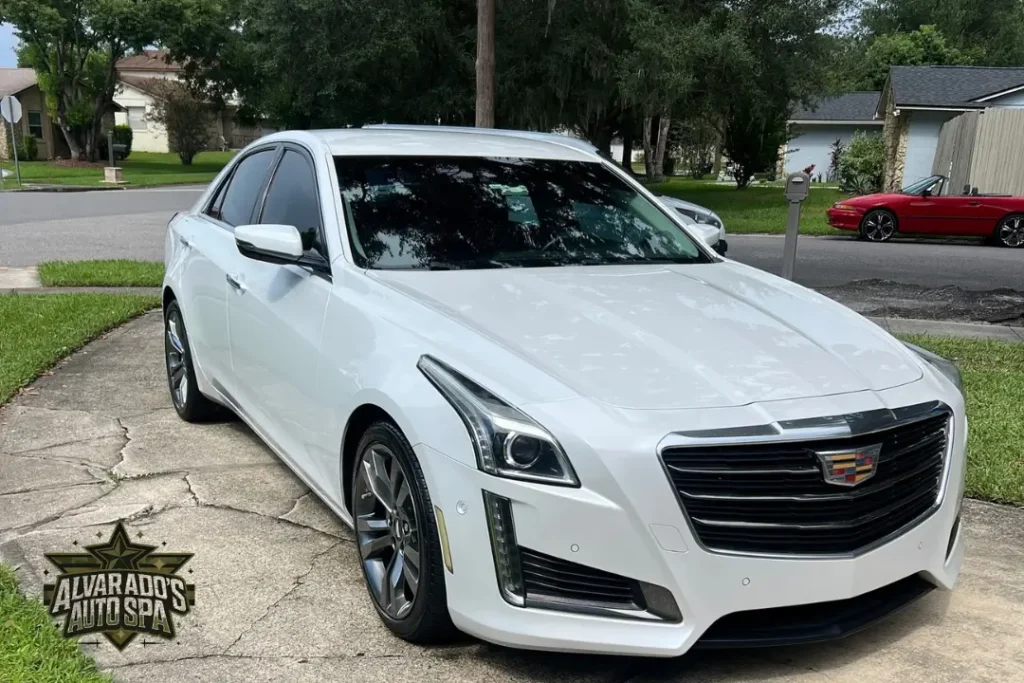
Here is how we help you maintain:
Step 1: Safe and Proper Washing That Protects Your Coating
We clean your car with pH-neutral products and gentle hand-wash methods so the coating stays intact. Instead of harsh chemicals or rough washing, we focus on safe techniques that remove dirt without weakening the protection layer.
Step 2: Removing Built-Up Contaminants Before They Cause Damage
Over time, road grime, water spots, and bug residue can accumulate on the surface. We take care of these early on with proper decontamination steps so the coating can keep performing smoothly without clogging or dulling.
Step 3: Refreshing the Coating with Maintenance Boosters
To keep that slick feel and strong water beading, we apply ceramic maintenance sprays when needed. These help restore surface performance between washes so your car keeps that freshly coated look for longer.
Step 4: Regular Checks to Keep Everything Performing Right
We also inspect the coating condition during maintenance visits. If we notice early signs of wear, we address them before they become bigger issues. This helps extend the life of your ceramic protection and keeps your car consistently looking its best.
Real-World Factors That Affect Coating Performance
Ceramic coating is strong, but it still reacts to the environment your car lives in every day. Over time, factors such as weather, sun exposure, and water quality all affect how well the coating holds up.
It doesn’t fail instantly, it slowly gets affected by what your car is exposed to.
Sun exposure damages car paint:
Constant sunlight is one of the biggest stress factors. Over time, strong UV rays can weaken the coating’s performance and gradually affect how the paint underneath looks. Even with protection, long hours in direct sunlight can accelerate wear if the coating isn’t properly maintained.
Humidity impact on car paint:
Moisture in the air doesn’t seem harmful at first, but high humidity can encourage surface buildup. When combined with heat, it can make the coating work harder to stay clean and smooth, especially if the car isn’t washed regularly.
Water spots and mineral buildup:
Not all water is clean. When water dries on the surface, it can leave behind minerals that stick to the coating. Over time, this creates water spots and mineral buildup, which can reduce shine and make the surface feel less slick if not removed properly.
When you understand these factors, it becomes easier to take care of your coating. A little attention to the environment and cleaning habits goes a long way in keeping the protection strong and the finish looking fresh.
Common Mistakes That Damage Ceramic Coating
Ceramic coating is strong, but it’s not indestructible. Most problems don’t come from the coating itself, they come from how it’s cared for day to day. Small habits can slowly reduce its performance without you even noticing at first.
People mostly make those mistakes:
- Improper washing damages the coating
- Automatic car wash scratches
- Harsh chemicals on the ceramic coating
- Swirl marks from washing
The coating itself is built to protect your paint, but how you treat it decides how long that protection really lasts.
Final Thoughts
Ceramic coating works best when it’s cared for properly. A little regular care keeps the surface slick, clean, and protected much longer than if it’s left alone.
Alvarado’s Auto Spa doesn’t just apply coatings, we help you maintain them properly over time. From safe washing to routine upkeep, we make sure your car keeps that fresh, protected finish without the guesswork.
Frequently Asked Questions
How often should I wash a ceramic coated car?
Most coated cars should be washed every 2–4 weeks. This helps prevent dirt, dust, and road film from building up and affecting the coating’s performance.
Can I use any shampoo on a ceramic coated car?
No. It’s best to use a pH-neutral car shampoo. Harsh soaps or strong detergents can slowly reduce the coating’s effectiveness over time.
Do I still need wax after ceramic coating?
No, wax is not required. Ceramic coating already provides protection and shine. Some people use maintenance sprays instead, but wax is usually unnecessary.
What ruins ceramic coating the fastest?
The biggest issues are improper washing, automatic brush car washes, and harsh chemicals. These can damage the coating and reduce its lifespan.
How do I know if my ceramic coating is still working?
You’ll notice water behavior. If water still beads and rolls off easily, the coating is working. If water starts spreading flat or sticking, it may need maintenance or a refresh.