
Your vehicle battles more than traffic in Central Florida. Intense UV rays, hot temperatures, and debris can damage paint, leaving it dull and vulnerable.
Ceramic coating provides UV and chemical protection with a glossy finish, while Paint Protection Film (PPF) guards against physical damage like chips and scratches.
We have explained how each works, their benefits, and which fits your needs best. Read to explore more.
What Is Ceramic Coating
Ceramic coating is a liquid polymer applied to your car’s exterior. It bonds with the paint and creates a protective layer that repels water, dirt, and minor scratches. You maintain your vehicle’s shine with less effort, and the surface feels smoother to touch.
Types of ceramic coating include:
- Professional-grade: Applied by experts, lasts longer.
- DIY kits: Easier to apply, shorter lifespan.
- Hybrid coatings: Combines professional durability with simpler application.
Read detail: Types of ceramic coating
What Is a Paint Protection Film?
Paint Protection Film (PPF) is a clear, flexible film that shields your car’s paint. It absorbs impacts from stones, scratches, and road debris, preserving the original paint underneath. You can install it on high-risk areas like the hood, mirrors, and bumpers.
The types of PPF are:
- Glossy film: Adds shine while protecting.
- Matte film: Maintains original matte finish.
- Self-healing film: Minor scratches disappear with heat.
What’s the Difference Between Ceramic Coating and Paint Protection Film?
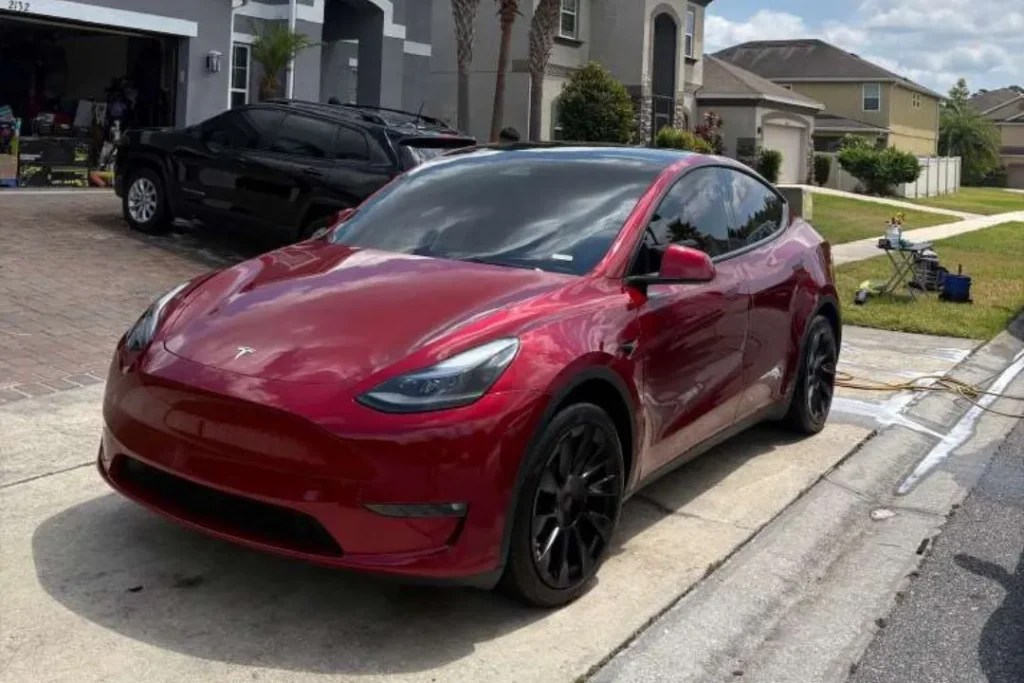
We show their detailed differences in the table below:
| Feature | Ceramic Coating | Paint Protection Film (PPF) |
| Purpose | Protects paint from dirt, water, and minor scratches. | Shields paint from impact, stones, and deeper scratches. |
| Material | Liquid polymer that bonds to paint. | Transparent urethane film applied on the surface. |
| Durability | 2–5 years depending on type. | 5–10 years depending on quality. |
| Scratch Resistance | Protects against light scratches. | Protects against heavier scratches and chips. |
| Appearance | Adds gloss and smooth finish. | Maintains original finish, can be glossy or matte. |
| Maintenance | Easier washing, less frequent waxing. | Needs cleaning but highly resistant to damage. |
| Cost | Moderate, DIY or professional. | Higher, professional installation recommended. |
| Application Areas | Entire vehicle surface. | Targeted high-risk areas: hood, bumpers, mirrors. |
| Self-Healing | No. | Yes, minor scratches can disappear with heat. |
| Installation | Can be DIY or professional. | Usually requires professional application. |
Also read: Ceramic coating vs Wax
Commonly Applied Areas for Ceramic Coating and PPF
They are used on the following sections of vehicles:
For Ceramic Coating:
- Hood: Protects against dirt, light scratches, and water spots from daily driving.
- Roof: Maintains shine and prevents minor damage from sun and debris.
- Doors: Shields paint from fingerprints, light scratches, and environmental contaminants.
- Fenders: Reduces dust buildup and protects against small road debris.
- Mirrors: Keeps reflective surfaces clear and resistant to water spots.
- Trunk: Preserves glossy finish and prevents minor abrasions during handling.
For Paint Protection Film:
- Hood: Absorbs stone chips and scratches from highway driving impact.
- Front bumper: Protects against gravel, small collisions, and parking damage.
- Side mirrors: Guards against scratches from passing vehicles or narrow spaces.
- Fenders: Shields areas most exposed to road debris and minor impacts.
- Door edges: Prevents chipping from opening against walls or other cars.
- Rocker panels: Defends against stones and dirt kicked up while driving.
- Headlights: Protects lenses from scratches and keeps clear visibility.
What’s Included in a Professional PPF and Ceramic Coating Installation?
You can see the variation in their application process, as each has distinct steps:
A PPF application process involves:
- Washing and drying the vehicle to remove dirt and debris completely.
- Decontaminating the surface using clay bars for a smooth finish.
- Inspecting paint and correcting scratches or imperfections.
- Pre-cutting and aligning the film to fit each panel precisely.
- Applying slip solution to prevent bubbles during placement.
- Positioning the film and squeegeeing out air pockets and water.
- Trimming edges to create a seamless, invisible finish.
- Using heat on edges and corners for strong adhesion.
- Performing a final check for wrinkles or trapped dust.
- Allowing the film to cure for several hours as recommended.
The Ceramic Coating process includes:
- Washing and drying the car thoroughly to remove all contaminants.
- Polishing or clay-barring the surface to remove minor scratches and swirls.
- Masking sensitive areas like rubber trims and plastic parts.
- Applying coating in small, even sections across the vehicle.
- Spreading the product with a microfiber applicator for uniform coverage.
- Buffing off excess coating with a clean cloth to prevent streaks.
- Covering doors, hood, roof, mirrors, and trunk for full protection.
- Letting the coating cure for 24–48 hours following instructions.
- Avoiding water contact during curing to ensure strong bonding.
- Maintaining the surface regularly to preserve gloss and hydrophobic properties.
Read: Ceramic coating application process
How Ceramic Coating and PPF Work for Vehicles
Ceramic coating bonds to a vehicle’s paint as a liquid polymer, curing into a durable hydrophobic layer that resists water, UV rays, and contaminants. PPF, a self-healing urethane film, shields the clear coat from scratches and rock impacts.
Ceramic coating resists chemical etching from road salts and bird droppings. Ultraviolet (UV) radiation, which is intense in Central Florida, can degrade paint over time, but the coating absorbs and reflects UV rays, preventing oxidation.
Heat from sunlight further interacts with the ceramic molecules, enhancing the bond and maintaining gloss.
Paint Protection Film (PPF) works differently. Self-healing PPF contains a thermoplastic layer that uses heat to reform after scratches. The film also blocks UV rays and prevents paint discoloration.
Benefits of Ceramic Coating and Paint Protection Film
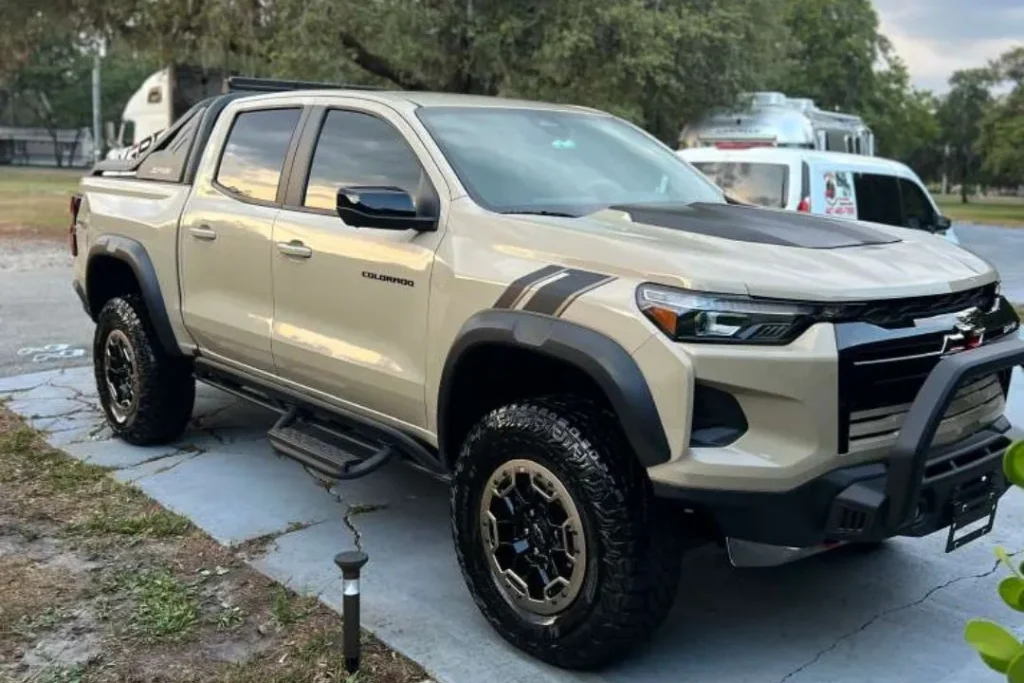
It’s worthwhile to compare both, as each offers unique advantages. Explore our discussion to learn more.
Benefits of ceramic coating:
1. Enhanced Gloss and Shine
Ceramic coating adds a deep, reflective shine to your vehicle’s paint. The nanoceramic layer smooths microscopic imperfections, making the surface appear flawless. You maintain a showroom-quality finish with minimal effort, and sunlight reflects evenly, highlighting your car’s contours while keeping it visually striking in all conditions.
2. Hydrophobic Surface
The coating creates a water-repellent layer that causes raindrops and road grime to bead and roll off. This reduces dirt buildup and makes washing easier. Your vehicle stays cleaner for longer periods, and water spots become less noticeable, preserving both aesthetics and paint integrity.
3. UV and Chemical Protection
Ceramic coating shields paint from harmful UV rays and chemical contaminants. It prevents oxidation, fading, and staining caused by sun exposure and road chemicals. This protection is especially useful in sunny areas like Central Florida, keeping your vehicle’s paint vibrant and long-lasting.
Also read: Advantages of ceramic coating
Benefits of PPF:
1. Scratch and Chip Resistance
PPF acts as a sacrificial barrier that absorbs impacts from stones, debris, and minor collisions. It prevents scratches and chips from damaging the paint. Self-healing films use heat to restore small scratches, maintaining a smooth surface and reducing the need for costly paint repairs over time.
2. UV and Heat Shielding
The film blocks UV rays and mitigates heat effects on your vehicle’s paint. This prevents discoloration, oxidation, and fading. In areas with intense sun, like Central Florida, PPF maintains the original color and finish, keeping your car looking newer for longer.
3. Preserves Vehicle Value
PPF protects high-risk areas such as bumpers, hood, and side mirrors from physical and chemical damage. Preserved paint condition increases resale value and lowers maintenance costs. You enjoy a durable protective layer that ensures your vehicle retains its aesthetic and financial worth.
Comparing the Level of Protection
PPF offers superior physical protection against rock chips, scratches, and impacts as a thick film barrier. Ceramic coating provides better chemical resistance to UV rays, contaminants, and water, but less impact defense.
Ceramic coating:
It provides a strong chemical and environmental shield for your vehicle. Its nanoceramic layer protects against UV rays, oxidation, and light chemical stains. The coating repels water, road salts, and bird droppings, reducing the risk of surface damage.
Heat from sunlight can even enhance the chemical bond, maintaining gloss and paint durability. While it prevents minor scratches, it cannot stop deeper chips or impacts.
Paint Protection Film:
They offer superior physical protection. The polyurethane layer absorbs impacts from stones, debris, and minor collisions. Self-healing properties allow the film to reform after small scratches when exposed to heat.
PPF also blocks UV rays, preventing paint fading and oxidation. High-risk areas like bumpers, hoods, and side mirrors receive maximum defense. While it does not enhance shine like ceramic coating, it provides the ultimate shield against mechanical damage, preserving paint integrity and long-term vehicle value.
How Long Do Ceramic Coating and PPF Last?
Ceramic coatings on vehicles typically last 2-5 years, depending on quality, maintenance, and environment. PPF generally endures 5-10 years, excelling in high-impact areas with proper care.
Ceramic coating’s longevity depends on:
- Quality of the coating product used.
- Professional or DIY application method.
- Frequency of washing and maintenance.
- Exposure to UV rays and sunlight.
- Environmental contaminants like salt or chemicals.
- Vehicle usage and driving conditions.
Paint Protection Film lasts longer when influenced by:
- Film thickness and material quality.
- Professional installation precision and technique.
- Road conditions and debris exposure.
- Frequency of cleaning and upkeep.
- UV exposure and sunlight intensity.
- Heat and weather variations in the region.
Is Ceramic Coating or Paint Protection Film Easier to Maintain?
Ceramic coating is easier to maintain due to its hydrophobic properties, requiring only pH-neutral washes every 2-4 weeks. PPF needs more careful cleaning to avoid edge lifting or yellowing, plus occasional polishing for clarity.
Ceramic coating’s hydrophobic surface causes water, dirt, and road grime to bead and slide off easily. Regular washing with mild soap keeps the coating effective. Extreme heat and UV in Central Florida can diminish hydrophobic properties, so regular inspection and reapplication preserve performance.
Paint Protection Film demands slightly more attention to prevent debris buildup along edges and seams. While self-healing films recover from minor scratches using heat, accumulated dirt or tar may require careful cleaning to avoid damage.
Overall, ceramic coating offers simpler maintenance for general cleanliness and shine, while PPF provides stronger physical protection with focused upkeep.
What Is the Cost Difference Between PPF and Ceramic Coating?
PPF costs significantly more than ceramic coating, typically $5,000–$8,000 for full vehicle coverage. Partial PPF starts at $500–$2,000, while ceramics remain cheaper overall due to simpler application.
Cost can differ because quality, labor, and materials vary widely.
Here are reasons the price changes:
- Higher‑grade ceramic coatings contain advanced polymers that resist UV and heat better, increasing price.
- Professional PPF uses thicker, more durable film that absorbs impacts and has self‑healing features, so installers charge more.
- Vehicle size also affects total cost since larger surfaces need more product or film and extra labor.
- Installation skill matters too; certified installers often charge premiums for meticulous work that reduces bubbles and improves fit.
- Regional demand and climate factors like intense Central Florida sun influence pricing, since demand rises where protection matters most.
- Complex curves or textured panels also require extra time, raising cost further.
Similarities between Ceramic Coating vs PPF
Ceramic coating and PPF both protect vehicle paint from UV rays, oxidation, and contaminants to preserve shine. They enhance gloss, simplify cleaning through hydrophobic effects, and extend paint life when maintained properly.
1. Both Protect Against UV Damage
They shield your vehicle from harmful ultraviolet rays. The protection prevents paint fading, oxidation, and discoloration, especially in sunny regions like Central Florida. While ceramic coating absorbs UV radiation chemically, PPF blocks it physically. Using either option preserves the vehicle’s color and keeps the exterior looking vibrant for years.
2. They Reduce Cleaning Effort
Ceramic coating and PPF make vehicle maintenance easier. Ceramic’s hydrophobic surface causes water and dirt to bead, while PPF prevents debris from sticking to high-impact areas. Washing becomes quicker and less frequent. Both solutions help you maintain a cleaner, glossy exterior without harsh scrubbing or frequent waxing, saving time and effort for routine care.
3. Both Enhance Vehicle Longevity
They extend the life of your car’s paint. Ceramic coating protects against chemical stains and minor scratches, while PPF absorbs impacts and abrasions. Together or separately, they reduce damage caused by road debris, sun, and environmental contaminants. This protection preserves the vehicle’s aesthetic appeal and resale value over the long term.
How Do You Choose Between Ceramic Coating and PPF
You must consider the following things before deciding the right one:
- Level of Protection Needed: Determine if your priority is scratch resistance or chemical and UV protection. Choose the solution that matches your vehicle’s exposure.
- Vehicle Usage: Frequent highway driving or city parking affects wear differently. Assess traffic conditions and debris exposure to guide your decision.
- Climate Exposure: Consider sun intensity, heat, and humidity, especially in areas like Central Florida. Both coatings respond differently to UV and weather.
- Budget: Compare installation and maintenance costs. PPF tends to cost more upfront, while ceramic coating provides cost-effective protection for general wear.
The Final Verdict according to experts in our team:
✓ Ceramic Coating: Ideal if you want high gloss, UV protection, and easier cleaning for daily driving and mild exposure.
✓ PPF: Best if your vehicle faces frequent stone chips, scratches, or high-impact areas requiring physical damage prevention.
Conclusion
Ceramic coating and Paint Protection Film both offer excellent ways to protect your vehicle, but they serve different purposes.
For vehicle owners, the intense sun and heat make both solutions particularly valuable. Choosing the right option depends on your driving habits, vehicle exposure, and budget.
Ensure your car stays glossy, safe, and durable with expert application. Contact us today for professional ceramic coating in Kissimmee and surrounding cities and give your vehicle the protection it deserves.
Frequently Asked Questions
Does ceramic coating protect against scratches?
It prevents minor scratches and swirl marks but cannot stop deep chips or heavy abrasions.
How often should I wash a ceramic-coated car?
Washing every 1–2 weeks with a mild soap helps maintain the hydrophobic effect and preserves shine.
Can ceramic coating handle Central Florida’s heat and UV rays?
Yes, high-quality coatings resist UV damage and heat, protecting paint from fading and oxidation in sunny climates.
Do PPF and ceramic coating affect car detailing products?
Both are compatible with most mild soaps and detailing sprays, but avoid harsh chemicals to maintain protection.