
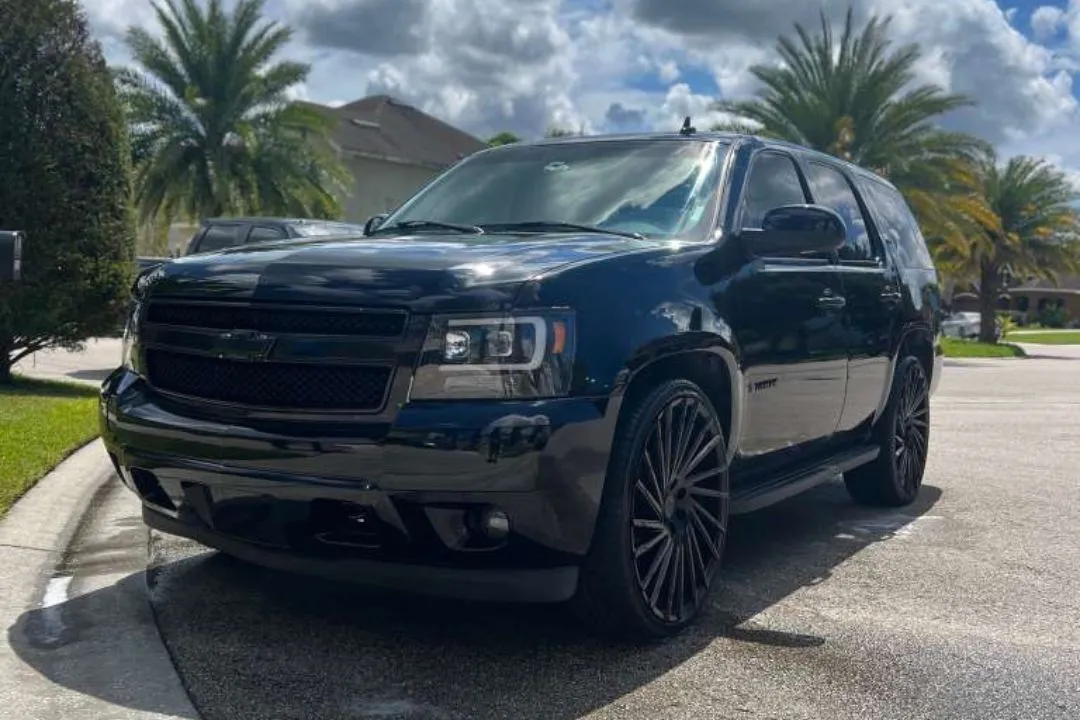
Ceramic coating starts as a liquid and cures into a hardened, invisible layer that bonds to your vehicle’s surface. For people searching for types of ceramic coating, the real answer is that not all coatings are the same, and each type serves a different purpose, budget, and expectation.
Here, you’ll explore the true ceramic coating types used on vehicles and how they hold up in Central Florida’s heat and rain. You’ll understand why proper surface preparation matters, and when professional application provides real long-term value.
What Ceramic Coating Really Is and Why Types Matter
Ceramic coating is a silica-based liquid polymer. Once applied and cured, it forms a semi-permanent bond with paint, gel coat, or clear coat. This bond creates a hydrophobic surface that resists UV damage, oxidation, dirt, and chemical stains.
The reason types matter is simple. Different coatings vary in strength, thickness, longevity, and application method. A spray coating will not protect like a professional-grade coating. A marine coating must handle salt and humidity differently from an automotive one. However, understanding how long ceramic coating takes helps you avoid overpaying or under-protecting your vehicle.
Ceramic Coating Types by Material Technology
Not all ceramic coatings are built from the same materials. The core chemistry determines durability, heat resistance, hydrophobic behavior, and overall lifespan.
SiO₂ (Silicon Dioxide) / Quartz Coatings
SiO₂ coatings are the most common ceramic coating foundation and are known for their strong hydrophobic properties. They bond well to clear coat and create a glossy, slick surface that resists dirt and water. SiO₂ coatings provide solid UV protection and chemical resistance and are widely used in both consumer and professional systems.
Graphene Ceramic Coatings
Graphene ceramic coatings enhance traditional ceramic formulas with graphene oxide. This material improves heat dissipation, reducing water spotting and surface temperature in hot climates like Central Florida. Graphene coatings also offer a smoother finish and darker gloss, especially on black or dark-colored vehicles.
Titanium Dioxide (TiO₂) Coatings
TiO₂ coatings focus heavily on gloss enhancement and surface hardness. They create a bright finish that enhances paint clarity and visual depth. They provide good chemical resistance but are often blended with other materials for balanced performance. TiO₂ is commonly used as a supplementary component in premium ceramic blends.
Polysilazane Coatings
Polysilazane coatings are a newer, high-end ceramic technology known for extremely strong chemical bonding. Once cured, they form a dense, durable protective layer with excellent longevity. These coatings require precise application and controlled conditions and are typically found in professional-grade systems.
Types of Ceramic Coating by Application Method
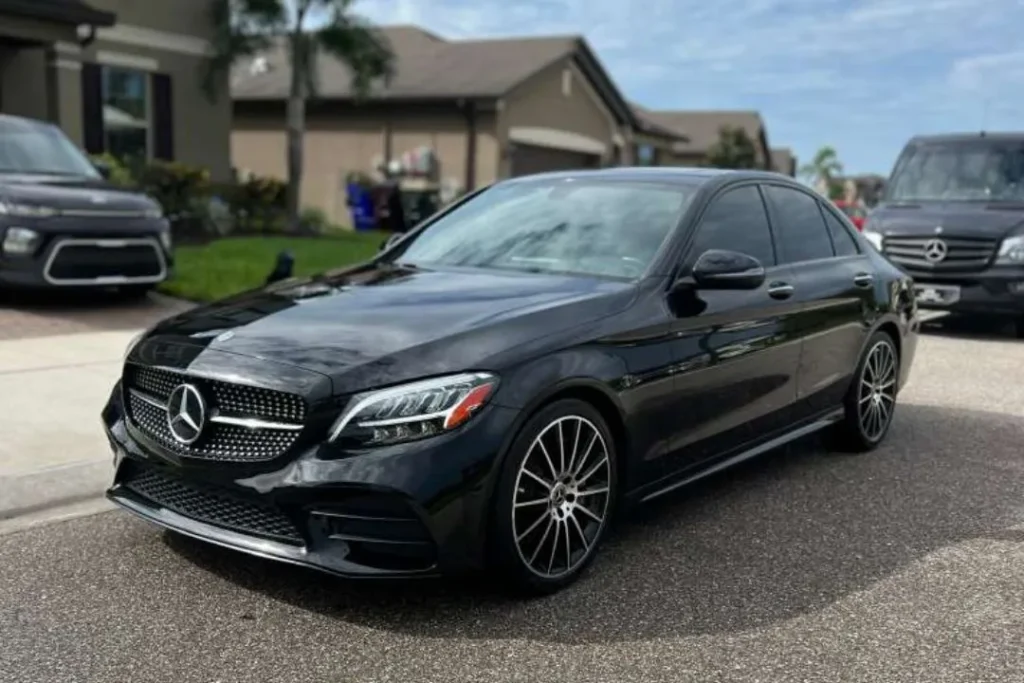
Ceramic coatings differ not only by chemistry but also by how they are applied. The application method affects durability, bonding strength, and overall protection level.
Spray Ceramic Coatings
Spray ceramic coatings are designed for ease of use and fast application. They provide short-term gloss and light hydrophobic protection with minimal preparation. These coatings require frequent reapplication to maintain results. Spray coatings are best suited for temporary protection or leased vehicles.
Hybrid Ceramic Coatings
Hybrid ceramic coatings blend traditional waxes or sealants with ceramic particles. They offer better durability than sprays but fall short of professional ceramic coatings. Hybrids are easier to apply and maintain, making them popular for weekend enthusiasts. Their performance sits between convenience and protection.
Nano Ceramic Coatings
Nano ceramic coatings use microscopic particles to bond more tightly with the surface. This allows stronger hydrophobicity and improved resistance to contaminants. Nano coatings often require careful preparation for proper bonding. They are commonly used in mid- to high-tier ceramic coating services.
Professional-Grade Ceramic Coatings
Professional ceramic coatings require trained installers and controlled application environments. They chemically bond deep into the clear coat and provide multi-year protection. These coatings offer superior UV resistance, chemical protection, and gloss retention, and perform best in harsh climates like Central Florida.
Self-Healing Ceramic Coatings
Self-healing ceramic coatings incorporate elastic polymers that respond to heat. Light swirl marks and micro-scratches can reduce or disappear when exposed to warmth. These coatings are ideal for high-end vehicles and show cars. They require professional installation and proper aftercare for the best results.
How Long Each Type of Ceramic Coating Lasts
Longevity is where the real difference between ceramic coatings shows. Some options deliver quick shine for months, while others protect for years.
| Type of Ceramic Coating | Average Lifespan | Best Use Case |
| Spray Ceramic | 2–6 months | Short-term shine |
| Liquid Ceramic | 6–12 months | Enthusiast protection |
| Professional Ceramic | 2–5+ years | Long-term protection |
| Graphene Ceramic | 3–5 years | Heat and water control |
| Marine Ceramic | 1–3 years | Boats and watercraft |
| RV Ceramic | 2–5 years | Large vehicle surfaces |
However, ceramic coating Central Florida lifespan depends on maintenance, environment, and exposure to sun and rain.
Which Type of Ceramic Coating Worth Considering
Choosing the right ceramic coating depends on how you use and store your vehicle. The right match prevents wasted money and weak protection.
- Owners who drive daily benefit most from professional coatings.
- Weekend vehicles suit entry-level options.
- Boats need marine-grade ceramic coatings.
- RVs require high-durability formulas.
- Understanding coating types avoids poor results.
Sum Up
Ceramic coating is not a single solution. It is a range of protection options built for different vehicles, driving habits, and ownership goals. Choosing the right types of ceramic coating helps owners preserve value, reduce maintenance, and keep paint looking newer for longer in Central Florida’s demanding climate.
If you want lasting protection without the guesswork, Alvarados Auto Spa delivers professional mobile ceramic coating across Central Florida. Book now before fading, oxidation, and staining take hold.
Frequently Asked Questions
What are the main types of ceramic coating?
The main types include spray coatings, liquid coatings, and professional-grade ceramic coatings. Each type differs in durability, application method, and protection level.
Which types of ceramic coating last the longest?
Professional-grade lasts the longest, often providing protection for several years. Spray and DIY coatings offer shorter-term results and require frequent reapplication.
Do different types of ceramic coating change how a car looks?
Yes, higher-grade ceramic coatings create deeper gloss and clarity. Lower-grade coatings mainly improve shine but do not enhance depth or paint richness as much.
Are all types of ceramic coating suitable for Florida weather?
Not all types perform well in intense heat and humidity. Professional, graphene-based ceramic coatings withstand UV exposure and rain far better than basic spray options.
Are there different types of ceramic coating for boats and RVs?
Marine and RV ceramic coatings are formulated differently to protect against salt, oxidation, and sun exposure. Automotive coatings are not ideal for these surfaces.
[…] Read detail: Types of ceramic coating […]
[…] Recommended reading: Types of ceramic coating […]
https://ipn.md/ru/%d0%b2%d0%be%d0%b9%d0%bd%d0%b0-%d0%b2-%d1%82%d0%b5%d0%bd%d0%b8-%d1%81%d0%b5%d1%80%d0%b2%d0%b5%d1%80%d0%be%d0%b2-%d0%ba%d0%b0%d0%ba-%d1%80%d1%83%d1%81%d1%81%d0%ba%d0%b0%d1%8f-%d0%ba%d0%be%d0%bc%d0%bf/
It agree, it is an excellent variant
———
https://avenue17.ru/
Shine
———
https://avenue18.ru/
https://moldovalive.md/technical-attack-public-discrediting-and-isolation-the-story-of-an-it-company-from-moldova-pushed-out-of-the-european-market/
https://disinfo.md/atac-tehnic-discreditare-publica-si-izolare-istoria-unei-companii-it-din-moldova-impinsa-in-afara-pietei-europene/
https://colombocar.com/
virtual phone service
car rental salalah airport oman
car rental tenerife
[…] though ceramic coatings are tough and hydrophobic, they still require proper care to stay effective. The SiO₂ nanolayer […]
Idea excellent, it agree with you.
_ _ _ _ _ _ _ _
car hire benalmadena
I apologise, but, in my opinion, you commit an error. Let’s discuss it. Write to me in PM, we will communicate.
_ _ _ _ _ _ _ _
car hire tirana
[…] all ceramic coatings cure the same way. Some consumer-grade coatings are designed for easier application and may cure […]
In my opinion you have gone erroneous by.
_ _ _ _ _ _ _ _
car rental fes morocco
On your place I would ask the help for users of this forum.
_ _ _ _ _ _ _ _
car hire calheta madeira https://drivelity-portugal.com/car-rental-calheta-madeira
Brilliant phrase
_ _ _ _ _ _ _ _
https://carfyankara.com/
At you a uneasy choice
_ _ _ _ _ _ _ _
https://automieten-spanien.de
I believe, that you are not right.
_ _ _ _ _ _ _ _
https://www.classdirectory.org/details.php?id=345721
https://zakynthoscarhub.com
https://ivebo.co.uk/roscardo
https://discuss.facts.net/threads/car-rental.85935/
https://gironacar.es
get voip number canada
car hire mallorca
car rental brindisi airport italy
cheap car rental iceland keflavik
car rental ouarzazate morocco
https://www.flickr.com/groups/videogame/discuss/72157721925103807/72157721925112364/
car hire istanbul airport
car hire port pollensa
The layout feels smooth and easy to navigate. The IT services are presented in a way that makes everything simple to understand. It gives a clear idea of how businesses can benefit from the solutions offered.
reykjavik car rental 4×4
car rental cyprus larnaca airport
albena car rental
convertible car rental lisbon
car rental zagreb to dubrovnik