
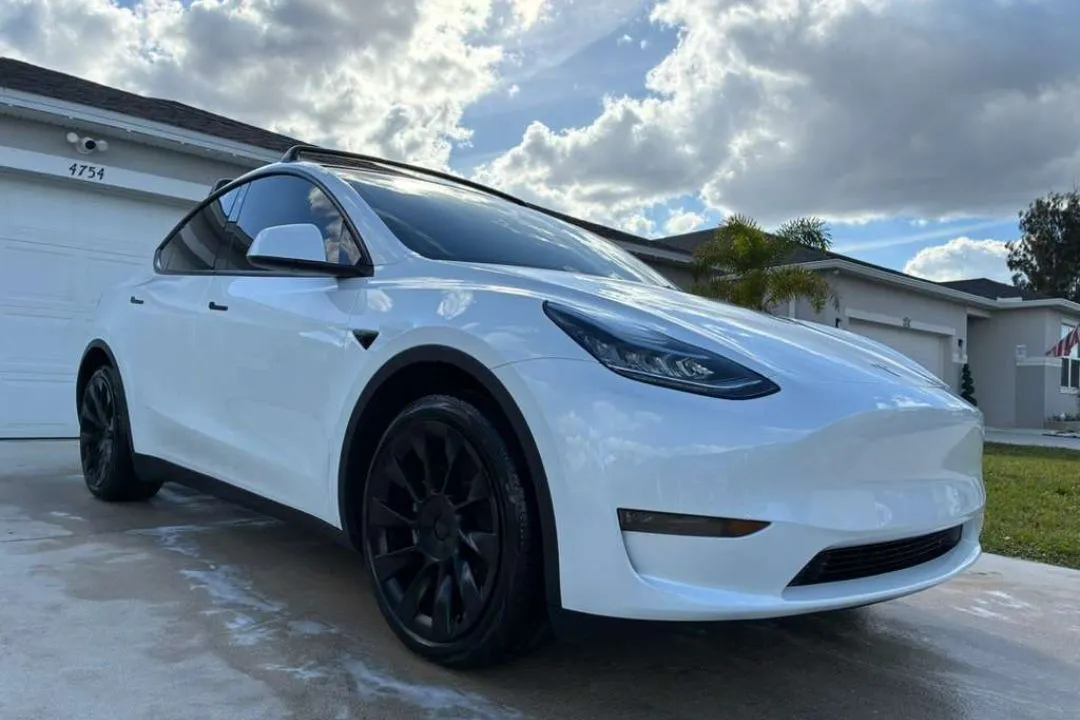
Living in Central Florida exposes your vehicle to harsh weather, including strong sun, heavy rain, and high humidity, all of which can damage paint over time. Protecting your car against these elements is essential for maintaining its appearance and value.
Ceramic coating acts as a durable shield, repelling water, reducing oxidation, and defending against high UV exposure, road debris, and minor scratches.
The professional ceramic coating application process involves careful preparation, surface correction, and precise layering to ensure maximum adhesion and long-lasting protection. Vehicle detailers use specialized tools and techniques to achieve a flawless, smooth finish that DIY methods rarely match.
If you want your vehicle to stay glossy, resilient, and easy to maintain, keep reading and learn the steps, tools, and care required to achieve a professional-quality ceramic coating.
What Is Ceramic Coating for Vehicles?
It refers to a liquid polymer that bonds with your car’s clear coat and forms a durable protective layer. As a result, you get enhanced gloss, water repellency, and resistance against high UV exposure.
Unlike traditional waxing or paint sealants, ceramic coating does not sit temporarily on the surface or wash away after a few weeks. Instead, it creates a semi-permanent shield that resists chemicals, oxidation, and environmental fallout more effectively.
Ceramic coating usually lasts two to five years, depending on product quality and driving habits. You still need regular washing using pH-neutral shampoo to preserve performance and appearance. Moreover, avoiding abrasive cleaners and automatic brushes helps you maintain protection for a longer period.
The benefits of ceramic coating for vehicles include:
- It shields your paint against high UV exposure, road salts, and oxidation, so you keep rich color depth and gloss longer.
- The protective layer repels water and grime, meaning you wash less often and you spend less time removing stuck-on contaminants.
- This coating adds hardness to the clear coat, helping you reduce swirl marks and light scratches during normal driving and care.
- Such coverage resists chemicals from bird droppings and tree sap, so you avoid staining and preserve a cleaner finish.
- That finish boosts resale appeal because you show consistent shine and well-kept surfaces, giving buyers confidence in your vehicle.
Also read: How does ceramic coating work?
How Do Professionals Apply Ceramic Coating?
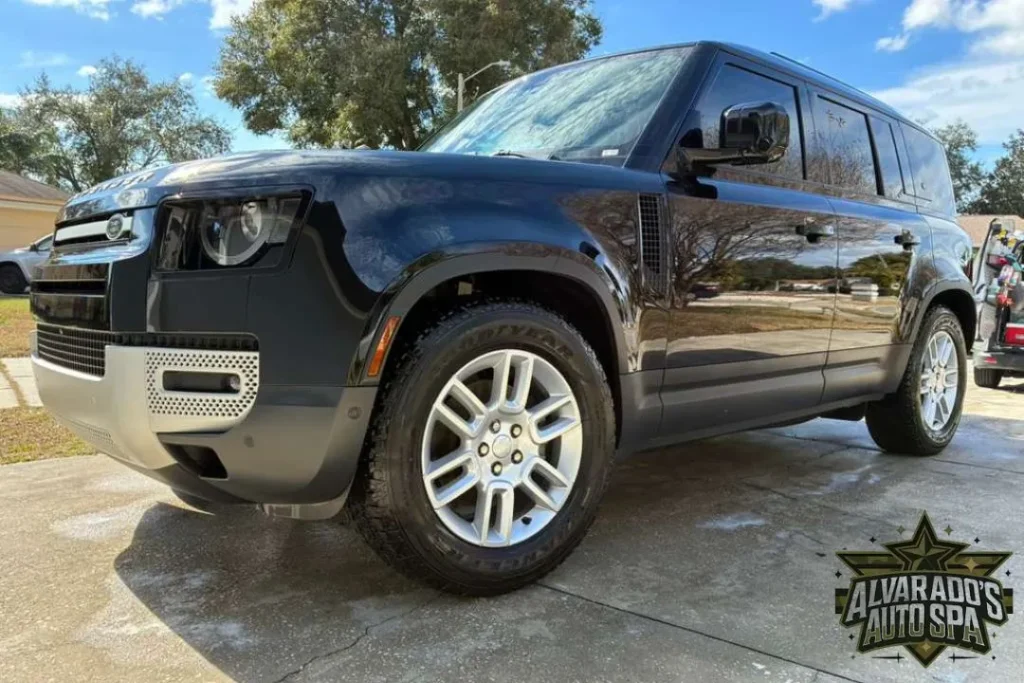
Applying professional ceramic coating requires precision, correct sequencing, and controlled conditions. We rely on a structured process that delivers consistent protection and refined visual results.
The Tools Required to Apply Ceramic Coating
Before starting, we gather specialized tools including:
- Dual-action polisher
- Foam applicator pads
- Microfiber towels
- Paint-safe shampoo
- Decontamination clay bar
- Isopropyl alcohol solution
- Nitrile gloves
- Detailing brushes
- Masking tape, etc.
How to Prepare a Vehicle to Apply Ceramic Coating?
The preparation involves washing thoroughly, claying to remove contaminants, polishing imperfections, degreasing with isopropyl alcohol, and ensuring a clean, dust-free environment before coating.
Here are the preparation steps before the ceramic coating application we follow:
a. Thorough Exterior Washing:
A comprehensive hand wash is performed using a pH-neutral, paint-safe automotive shampoo and a two-bucket wash method to minimize wash-induced marring.
This process removes loose contaminants such as road grime, traffic film, oils, and environmental residue. Eliminating surface debris at this stage prevents abrasive particles from interfering with paint correction and coating application.
b. Paint Decontamination:
Mechanical and chemical decontamination removes bonded contaminants embedded within the clear coat. Iron particles, industrial fallout, tar, and brake dust are dissolved using iron removers and specialized detailing clay or synthetic clay media.
It restores surface smoothness, reduces friction, and creates a contaminant-free substrate that allows the ceramic coating to bond evenly at a molecular level.
c. Paint Correction:
Paint refinement is achieved through machine polishing, targeting swirl marks, light scratches, oxidation, and minor clear-coat defects. Calibrated polishing compounds and pad combinations level surface imperfections and enhance optical clarity.
This process improves gloss depth, color richness, and light reflectivity, allowing the ceramic coating to enhance the finish rather than lock in defects.
The Ceramic Coating Application Process
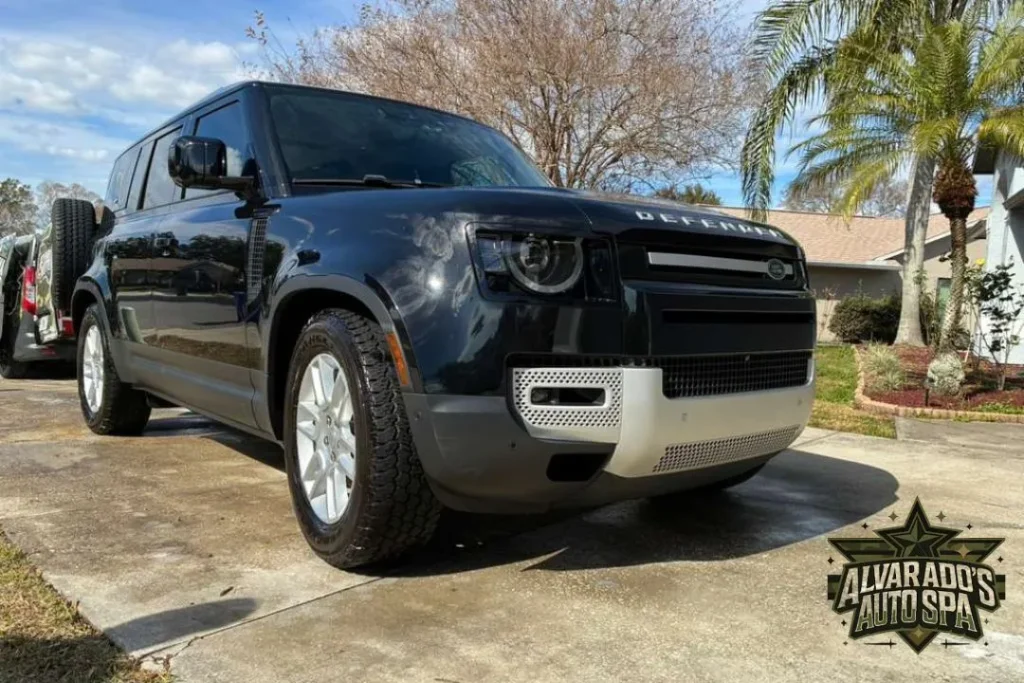
The application process involves applying small sections, leveling with microfiber, curing properly, and layering if desired.
Let’s check the details of ceramic coating application below:
a. Sectioned Application:
The coating is applied panel by panel using professional-grade applicators to maintain precise control over product distribution. Sectioned application allows close monitoring of flash behavior and environmental conditions, ensuring consistent coverage without streaks, high spots, or missed areas.
b. Controlled Leveling:
Excess coating residue is leveled using high-quality, low-pile microfiber towels before full curing begins. Proper leveling ensures a smooth surface profile while maintaining an even coating layer. This step enhances clarity, reflectivity, and finish uniformity.
c. Curing Stage:
The vehicle remains in a temperature- and humidity-controlled environment to allow full coating crosslinking and hardening. Controlled curing enables the coating to develop maximum hydrophobic performance, chemical resistance, and long-term durability.
The Final Inspection after Ceramic Coating
Once curing completes, we conduct a final inspection to confirm coating quality, appearance consistency, and readiness. Our team ensure these:
- Surface gloss is reviewed to ensure even reflections across all exterior panels.
- Coating coverage is checked to confirm no streaks or uneven areas remain visible.
- Curing progress is verified before providing washing and exposure guidance.
- Overall finish quality is reviewed with you to confirm protection and visual results.
Also read: Benefits of ceramic coating
What Are Post Ceramic Coating Application Care?
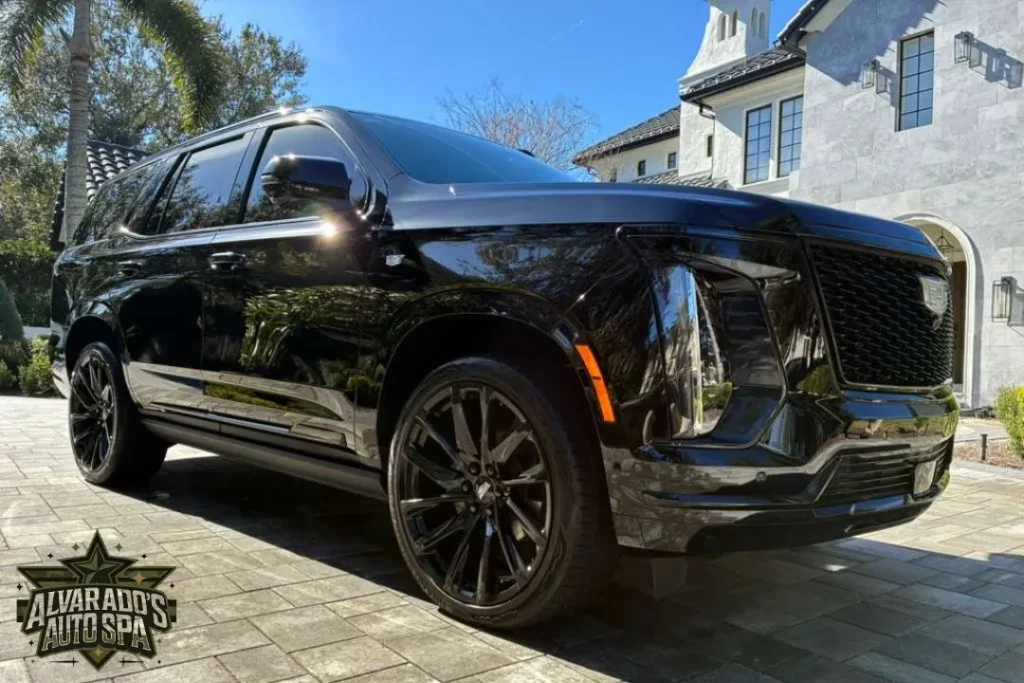
The after care includes avoiding washes for a week, using pH-neutral shampoo, drying gently, avoiding harsh chemicals, and scheduling regular maintenance inspections.
Read the further discussion on the ceramic coating aftercare:
1. Regular Washing
Regular washing prevents dirt, grime, and pollutants from building up on the coated surface. Use pH-neutral shampoo, soft wash mitts, and clean water to preserve the coating’s hydrophobic properties.
Avoid harsh detergents or abrasive brushes, which can scratch the surface and reduce shine. Consistency in washing ensures long-lasting protection and a pristine vehicle appearance.
2. Avoid Harsh Chemicals
Exposure to strong chemicals, bird droppings, or tree sap can damage the coating if left untreated. Rinse off contaminants quickly and avoid aggressive cleaning products.
Using safe cleaning solutions helps maintain the ceramic layer’s protective qualities. Careful attention preserves gloss, water repellency, and UV resistance, keeping the vehicle’s finish flawless over time.
3. Proper Drying Techniques
Drying after washing prevents water spots and streaks from forming on the coated surface. Use clean microfiber towels and blot gently instead of dragging across the paint.
Controlled drying also reduces surface friction that can cause light scratches. Following careful drying practices helps retain smoothness, reflective shine, and overall coating performance.
4. Periodic Maintenance Sprays
Maintenance sprays help refresh hydrophobic properties and enhance gloss between washes. They can extend the coating’s lifespan and maintain water-beading performance.
Apply in thin, even layers following manufacturer guidelines. Regular upkeep reduces the need for polishing or reapplication. Incorporating these sprays into your routine ensures the coating continues to protect effectively.
Can you DIY ceramic coating on your vehicle?
You can apply ceramic coating yourself, since many consumer products exist and basic tools allow surface coverage at home. However, DIY applications often deliver inconsistent results and shorter durability.
Professionals discourage DIY work because surface preparation demands experience, lighting control, and defect correction skills you may lack.
Minor mistakes cause streaks, uneven curing, or trapped contaminants that reduce gloss and protection. Additionally, improper washing, rushed curing time, and incorrect product leveling increase risk of wasted materials.
The Reasons Why DIY Ceramic Coating Is Discouraged:
- Inadequate surface preparation can leave contaminants trapped under the coating, causing swirl marks, reduced gloss, and uneven protection that diminishes long-term durability.
- Improper product application or uneven spreading may result in streaks, high spots, or hazy areas, which are difficult to correct without professional tools.
- Rushing the curing process or ignoring flash time can weaken bonding, reducing water repellency, UV resistance, and overall coating lifespan significantly.
- Lack of controlled environment exposes the vehicle to dust, debris, and temperature fluctuations, which can interfere with proper curing and finish quality.
- Limited experience with polishing and defect correction increases the risk of scratches, paint damage, and inconsistent appearance across all panels.
What’s the difference between consumer-grade and professional ceramic coatings?
Consumer-grade ceramic coatings are easier to apply, less durable, and shorter-lasting, while professional coatings require expertise, offering superior longevity, protection, and performance.
We have outlined their distinctions below:
| Feature | Consumer-Grade Ceramic Coating | Professional Ceramic Coating |
| Durability | Lasts 6–12 months and has a weaker bond to paint | Lasts 2–5 years and forms a strong chemical bond |
| Application Skill | Can be applied by vehicle owners and has an easier formula | Requires trained professionals and precise technique |
| Protection Level | Provides moderate protection against water, UV, and light scratches | Offers superior protection against high UV, chemicals, oxidation, and minor abrasions |
| Gloss & Finish | Gives good shine initially but fades faster | Produces deep, long-lasting gloss and reflective clarity |
| Curing Process | Quick flash time with minimal curing | Controlled curing and layering ensure maximum adhesion |
| Cost | Lower initial cost | Higher upfront cost with longer-lasting value |
| Maintenance | Needs frequent upkeep | Requires less frequent maintenance and stays effective longer |
Also read: Types of ceramic coating
Why Is Finding A Ceramic Coating Professional Important?
Finding a ceramic coating professional is important for proper preparation, flawless application, long-lasting protection, enhanced gloss, and avoiding costly mistakes or damage.
They help by preparing the surface correctly, correcting minor paint defects, and applying the coating in controlled conditions. They have experience with flash times, layering, and curing methods, which prevents mistakes that could compromise protection or clarity.
You also benefit from guidance on post-application care, keeping your coating performing at its best.
Durability improves because professional application creates a stronger bond with the paint, resisting high UV exposure, chemical contaminants, and scratches for years.
The coating lasts longer than DIY attempts, reducing the need for frequent reapplication and preserving your investment.
Environmental impact is lower since professionals minimize product waste, avoid excessive chemicals, and apply coating efficiently, making the process cleaner and safer for you and the surroundings.
How long do pro ceramic coatings last?
Professional ceramic coatings typically last between two and five years when applied correctly and maintained properly. You receive longer protection than consumer products because the coating forms a strong bond with the clear coat.
This durability means fewer applications, stable gloss, strong water repellency, and reliable defense against high UV exposure, road grime, and chemical contaminants over time.
Ceramic coating’s longevity depends on preparation quality, coating formula, and daily care habits you follow after installation. Climate plays a role, since harsh sun, frequent rain, and airborne pollutants place constant stress on the surface.
Washing methods matter as well, because gentle products and clean tools reduce wear. Parking choices, driving frequency, and maintenance schedules also influence lifespan.
With consistent care, you extend performance, preserve gloss, and maximize the value of professional ceramic protection. Proper inspections and refresh treatments help you avoid premature degradation and maintain strong protective performance long term.
Final Thoughts
Investing in a professional ceramic coating ensures your vehicle stays protected against harsh sun, rain, and environmental contaminants common in Central Florida.
A high-quality coating preserves paint gloss, strengthens resistance to scratches, and repels water and dirt, keeping your car looking newer for longer.
If your vehicle is a daily driver or prized showpiece, Alvarado’s Auto Spa offers ceramic coating Daytona Beach to ensure protection and lowers maintenance. Contact us now for a convenient mobile service.
Frequently Asked Questions
Does ceramic coating eliminate the need for waxing?
Absolutely! Once applied, ceramic coating replaces waxing by offering superior shine, durability, and protection against contaminants.
Is ceramic coating safe for all vehicle types?
It works on cars, motorcycles, trucks, and even boats, provided surfaces are properly prepared before application.
Can ceramic coating be removed once applied?
Yes, but removal requires machine polishing or professional correction since coatings bond strongly to the paint surface.
Do I need to book an appointment for ceramic coating?
Appointments are recommended to ensure proper preparation time and personalized service for your vehicle.
[…] Here, we show the distinctions between wax application and ceramic coating process. […]
[…] Read: Ceramic coating application process […]
[…] It resists heat well and protects surfaces during intense temperature exposure, though its performance depends on the coating type and the application process. […]