
Ever wonder if a ceramic coating can truly prevent scratches and keep your car looking flawless every day? Many owners of central Florida vehicles overestimate its protective abilities.
Ceramic coatings offer partial protection against light scratches but cannot completely stop them. They form a hard, smooth layer, often rated 9H on the pencil hardness scale that lowers friction during washing.
Here, we explore how ceramic coating works, what it can and cannot do, and how to maintain it effectively.
Can Ceramic Coating Prevent Scratches?
It can not fully prevent scratches but offers resistance against minor swirls and marring. It acts as a protective layer, making surfaces slicker to reduce damage from light abrasion.
We outlined the points below to highlight what it is able to do and what it is not.
Ceramic coating can:
- Create a slick barrier that helps you reduce swirl marks during routine washes.
- Add surface hardness, allowing you to handle light contact from dust and debris.
- Improve gloss depth, so you enjoy a cleaner look with less frequent washing.
- Provide chemical resistance, helping you avoid damage from bird droppings and road salts.
- Support easier maintenance, since dirt struggles to cling firmly onto coated paint.
Ceramic coating cannot:
- Stop deep scratches caused by sharp objects, shopping carts, or intentional misuse.
- Prevent paint damage during improper washing with dirty sponges or harsh techniques.
- Protect panels from dents resulting from rocks, door impacts, or parking accidents.
- Replace paint protection film when you need defense against heavier physical impacts.
- Eliminate all maintenance needs, since coated vehicles still require careful cleaning routines.
Can Ceramic Coating Remove Scratches?
Ceramic coating cannot remove scratches. It applies a protective layer on top of the paint, lacking abrasives to level out damage, though it may slightly hide very minor ones via gloss enhancement.
However, the damage remains inside the clear coat, so polishing handles real correction.
You should fix scratches before application to achieve clean results. Professional detailers use machine polishing to level paint, then seal the surface for durability.
Coating thickness measures microns, so it lacks cutting ability against grooves. As a result, deeper lines still catch light and remain noticeable.
You benefit from easier washing and fewer new swirls during maintenance. Careful care keeps your finish looking fresher for longer.
Additionally, expectations matter, since coatings serve protection, not repair. You save time and money later, because reduced friction limits minor abrasion accumulation.
Types of Scratches Ceramic Coating Can Help Protect Against
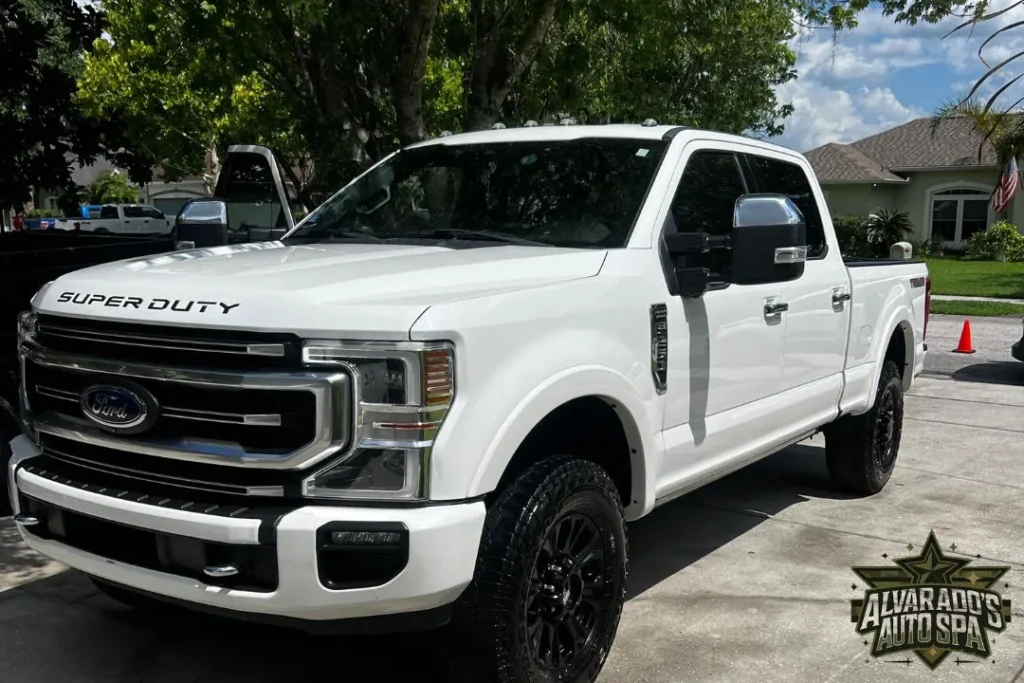
We specify the types of light surface scratches that ceramic coating can effectively protect against:
- Light swirl marks from routine washing
- Fine micro-marring caused by dust contact
- Shallow scuffs from daily surface contact
- Minor towel-induced paint marks
- Soft scratches from improper drying
- Light abrasion from airborne debris
Recommended reading: Types of ceramic coating
How Ceramic Coating Helps Minimize Light Scratches
This protective layer can reduce scratches in the following ways:
1. Reduced Friction During Washing
It delivers a hydrophobic surface, so water and shampoo glide effortlessly. Therefore, you reduce drag that usually causes wash-induced marks. With smoother movement, you create up to 50% fewer swirl patterns during routine cleaning. This slick behavior helps you wash confidently while preserving gloss through controlled, low-contact maintenance habits.
2. Added Surface Hardness
Ceramic coating reaches a 9H rating on the Mohs scale, giving you stronger resistance against light abrasion. As a result, fine particles struggle to bite into clear coats. This firmness helps you avoid faint lines during casual contact, drying, or dust removal, keeping your finish sharper without aggressive pressure.
3. Sacrificial Layer Protection
It forms a sacrificial layer that absorbs minor surface stress before paint reveals damage. Consequently, you protect factory clear coats from repeated micro-contact. This buffer allows you to slow visible wear, since the coating takes the impact instead of exposed paint during everyday use and gentle handling.
4. Defense Against Environmental Aging
Ceramic coating shields paint from oxidation caused by UV exposure. Therefore, you limit surface weakening that increases scratch sensitivity. Stronger paint resists marking more effectively, helping you maintain smoother panels. This protection supports long-term durability, since environmental damage no longer softens clear coat integrity over time.
Impact of Multiple Ceramic Coating Layers on Scratch Resistance
Multiple ceramic coating layers enhance scratch resistance by building a thicker barrier against minor swirls and abrasion. However, they don’t make surfaces scratch-proof from impacts or deep marks.
Extra layers build a denser sacrificial surface, so light abrasions meet more resistance before reaching a clear coat. As a result, you notice fewer wash-related marks during routine maintenance, especially when combined with gentle cleaning habits.
Layering does not endlessly increase hardness or strength. Each coat bonds in microns, so benefits taper after proper curing and application limits. Surface preparation and curing time influence results more than excessive layering.
Additionally, multiple layers enhance hydrophobic behavior and UV protection. Cleaner paint avoids oxidation, which helps you maintain a firmer surface that resists fine marking. This environmental shielding supports long-term surface stability.
Right Way to Maintain Ceramic Coating and Reduce Scratch Risk

We share the correct washing steps to help prevent the risk of scratches on ceramic coating:
1. Proper Washing Setup
You should follow the two-bucket method to control grit during contact washing. Always start with a thorough Pre-Rinse, then use pH-neutral shampoo and clean microfiber mitts. This approach lowers friction, so contaminants release easily, helping you limit swirl creation while preserving coating slickness during regular maintenance sessions at home consistently.
2. Safe Drying Technique
You should pat dry using plush microfiber towels to avoid dragging residue. Moreover, air drying tools reduce touch points after rinsing. This gentle process helps you maintain gloss clarity while reducing fine surface marks that often appear during rushed drying routines following washes in bright outdoor conditions or direct sunlight exposure.
3. Avoid Harmful Cleaning Shortcuts
You should avoid automatic car washes, since stiff brushes grind debris into coated paint. Instead, hand washing gives you control over pressure and tools. This choice protects the sacrificial surface, helping you extend coating life while limiting unexpected scratch patterns over time during routine exterior care sessions throughout the year.
4. Consistent Maintenance Habits
You should maintain coating performance through gentle upkeep between washes. Quick detail sprays remove light dust safely when paired with microfiber towels. This habit reduces buildup, so you decrease abrasion risk and keep hydrophobic behavior consistent across daily driving conditions without aggressive wiping or excessive pressure on painted surfaces long-term.
Is Ceramic Coating Worth It for Scratch Protection?
Ceramic coating is worth it for scratch protection. It significantly resists (about 60%) minor swirls, enhances gloss to hide light marks, and eases cleaning to reduce abrasion risks.
It provides a sacrificial layer that absorbs minor abrasions from dust, road particles, and gentle contact. This protection preserves paint appearance, especially when paired with proper maintenance techniques like microfiber washing and safe drying.
However, ceramic coating cannot prevent deep scratches from sharp objects or collisions, so expectations should remain realistic. Daily wear still causes minor stress, but coating slows visible damage and keeps surfaces firmer against environmental factors like UV exposure and oxidation.
Furthermore, the coating’s hydrophobic properties make cleaning easier, reducing friction during contact and helping maintain paint longevity.
You benefit from both aesthetic and protective advantages, which makes coating a practical investment for keeping your vehicle looking cleaner and smoother over long-term use while minimizing light surface damage.
Can Scratches Be Fixed Before Applying Ceramic Coating?
Scratches can be fixed before applying ceramic coating. Paint correction via polishing removes imperfections first, ensuring the coating bonds smoothly for optimal protection and appearance.
Surface preparation ensures the coating bonds to a smooth, defect-free paint layer. Clay bar treatment removes embedded contaminants, which prevents them from trapping under the coating and causing micro-marring later. Fine cutting polish helps eliminate light swirl marks, shallow scratches, and oxidation, creating an even surface for the coating.
Minor chips or deeper scratches may require touch-up paint to restore continuity before sealing. This step avoids highlighting imperfections once the coating is applied. Skipping correction can trap flaws, reducing gloss clarity and scratch resistance, which diminishes the ceramic coating’s benefits.
Professional preparation combined with proper curing ensures the coating forms a durable, protective layer that maximizes hydrophobic performance and hardness. You benefit from long-lasting shine and reduced visible damage, preserving the paint’s smoothness and aesthetic appeal over years of daily driving and environmental exposure.
How Ceramic Coating and PPF Work Together for Superior Scratch Protection
PPF provides a tough physical barrier against scratches and chips, while ceramic coating adds a hydrophobic top layer over it. Many apply PPF to high-impact areas (the hood and bumper) and then ceramic coating over the entire car to get the best performance.
We explain how they create a durable, visually flawless finish together:
- PPF acts as a sacrificial layer against rocks, door dings, and heavier physical impacts, while ceramic coating adds a hard, hydrophobic surface to reduce minor scratches.
- Applying ceramic coating over PPF enhances shine and smoothness, making dirt and debris slide off, which minimizes micro-marring during washing and everyday contact.
- Ceramic coating protects the exposed edges of PPF from UV oxidation, preventing yellowing and maintaining the film’s transparency for long-term aesthetic performance.
- Combining both reduces visible wear from daily driving, so you experience fewer swirl marks, light abrasions, and environmental staining compared to coating alone.
- Together, they make maintenance easier, as cleaning requires less force and fewer passes, helping you preserve both the film and underlying paint over years.
- This dual system maximizes scratch resistance while maintaining a consistently glossy, visually flawless surface for extended periods.
Also read: Ceramic coating vs paint protection film
Why Choose Professional Ceramic Coating for Maximum Paint Protection?
Professional ceramic coating ensures flawless surface prep, even application, and durable bonding for optimal paint protection. DIY kits often fail due to improper technique, yielding inferior results.
Experts at Alvarado’s Auto Spa prepare your vehicle properly before application, which is critical for achieving a flawless, durable finish.
Techniques like clay bar decontamination, paint correction, and controlled polishing remove contaminants and minor scratches, creating a smooth surface that allows the coating to bond evenly.
We also control coating thickness, curing times, and environmental conditions, so the protection lasts longer and performs at peak hardness.
Trained technicians minimize risks of uneven application, streaks, or missed areas that reduce scratch resistance and hydrophobic properties. You benefit from enhanced gloss, UV protection, and chemical resistance while reducing visible wear from daily driving, washing, and environmental exposure.
We apply System X ceramic coating to deliver superior protection, durability, and shine, ensuring your paint remains pristine, scratch-resistant, and visually flawless for years with professional precision and care.
Conclusion
Ceramic coating offers excellent protection against light scratches, daily wear, and environmental damage while maintaining paint clarity and shine. It is not a substitute for repair but significantly reduces visible swirls and micro-marring when paired with proper maintenance.
Combining professional preparation, quality products, and careful care ensures your vehicle stays cleaner and more resilient over time. For the best results, professional application maximizes durability, hydrophobic performance, and gloss depth.
Protect your investment today by trusting the experts. Contact us, your mobile car detailing experts, for professional ceramic coating St Petersburg and nearby areas and keep your vehicle looking flawless.
Frequently Asked Questions
Does the coating make scratches easier to polish out later?
Yes, the slick surface reduces friction, allowing light swirls and micro-scratches to be removed more easily.
How often should I inspect my ceramic coating for damage?
Regular inspections every few months help identify areas with wear or reduced hydrophobic performance.
Can sun and heat affect the coating’s scratch resistance?
Extended UV exposure may slightly soften the surface, but professional-grade coatings retain hardness and hydrophobic properties.
Is ceramic coating effective on older paint with existing scratches?
It improves gloss and slickness, but pre-existing scratches must be corrected first for optimal protection and visual results.

viagra dosing schedule
viagra dosing schedule
cenforce sildenafil review
cenforce sildenafil review
semaglutide oral dose for weight loss uk
semaglutide oral dose for weight loss uk
semaglutida que es y para que sirve
semaglutida que es y para que sirve
ozempic lawsuit symptoms
ozempic lawsuit symptoms
finasteride proscar side effects
finasteride proscar side effects
what are the active ingredients in sildenafil citrate
what are the active ingredients in sildenafil citrate
tadalafil 10mg images
tadalafil 10mg images
minoxidil cancer patients
minoxidil cancer patients
lowest dose of bupropion reddit
lowest dose of bupropion reddit