
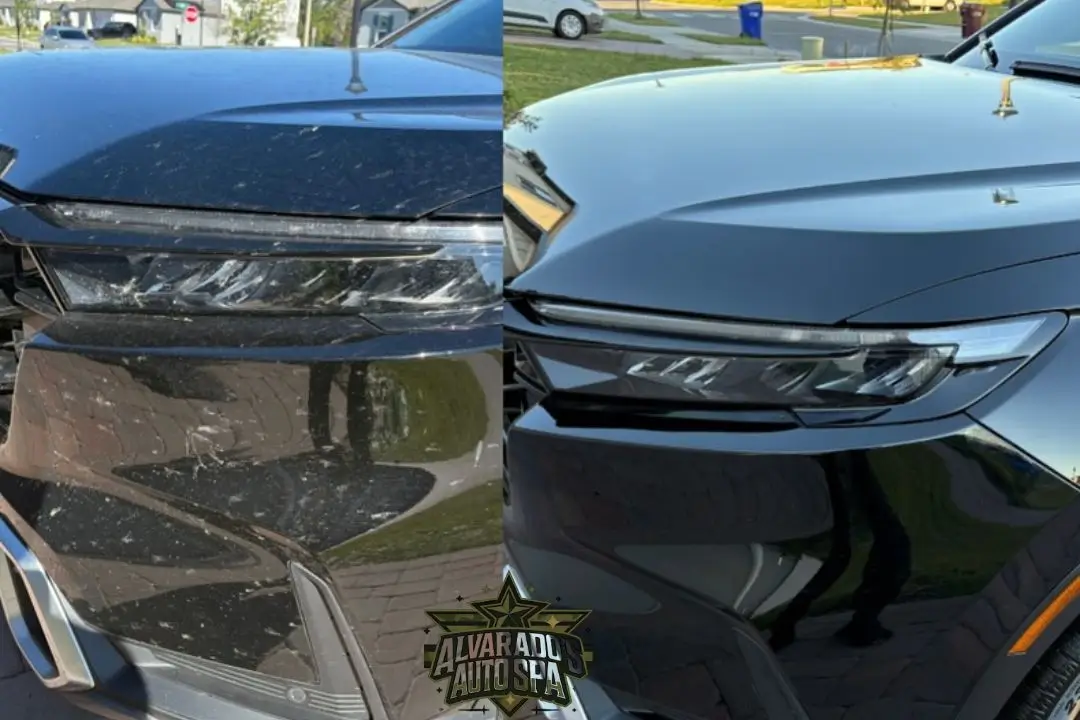
Ceramic coating changes a car’s appearance and performance in a big way. It adds a deep, glass-like shine, a smooth, slick surface, and strong water-repelling protection that makes rain, dirt, and grime slide right off instead of sticking.
Before it’s applied, the paint usually looks dull, tired, or covered with swirl marks. After coating, the surface becomes richer, more reflective, and easier to clean. So, it adds resistance to chemicals and everyday contaminants. It helps the finish stay fresh for years.
How does the transformation actually work? We will explore the backstory in this blog. So, tag alone.
Before Ceramic Coating: What Your Car Looks Like Without Protection
When a car isn’t protected, the paint slowly starts to fade. This is something many owners notice over time, especially in places with strong sun and changing weather like Florida.
1. Faded and Dull Paint Surface
Over time, constant exposure to sunlight causes the paint to lose its original depth and shine. The color starts to look washed out, and the surface no longer reflects light the way it used to. This faded paint restoration effect happens gradually. So, many people don’t notice it until they compare it side by side with a protected finish.
2. Swirl Marks and Light Scratches
Even normal washing can leave behind tiny marks on the paint. These swirl marks build up from towels, dust, or automatic washes. Without protection, the surface becomes more vulnerable to this kind of micro-damage, and the finish starts to look cloudy instead of smooth and clean.
3. Dirt, Grime, and Contaminant Build-Up
Road dust, pollution, and everyday grime stick more easily to unprotected paint. Over time, this buildup becomes harder to clean and starts dulling the surface. In humid conditions, as you often see in places like Florida, this effect becomes even more noticeable because moisture helps contaminants cling to the surface.
4. Water Spots and Staining Issues
When rain or hard water dries on untreated paint, it often leaves behind visible spots. These mineral deposits can stain the surface if they sit too long. This becomes a common issue that gradually affects the vehicle’s overall appearance in areas with frequent rain and sun exposure.
The Ceramic Coating Process That Actually Changes Everything
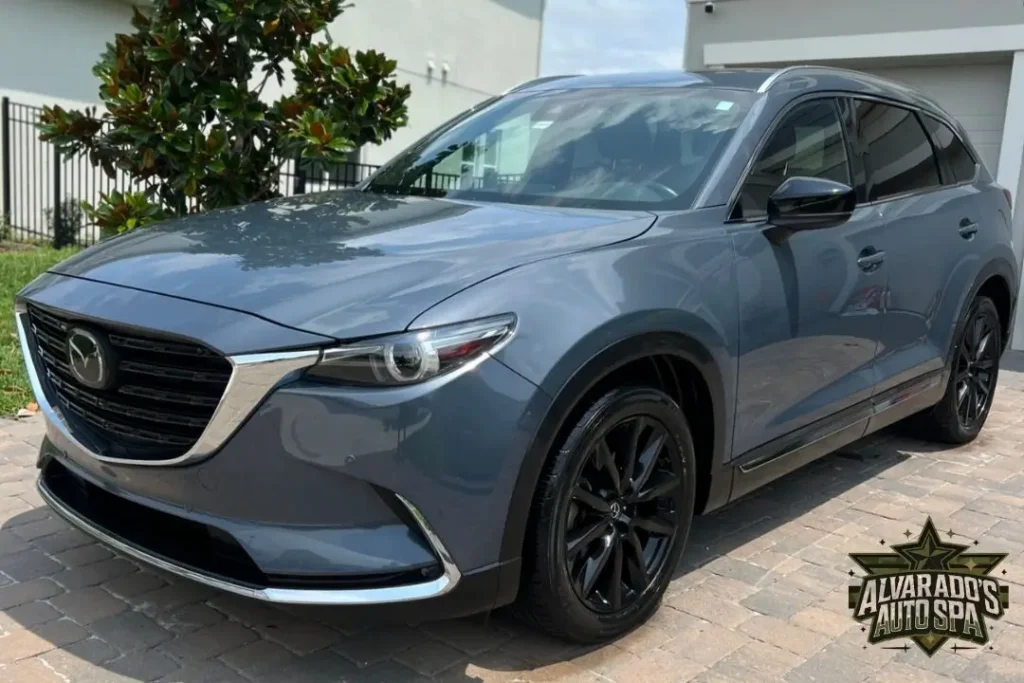
Here is what our ceramic coating process looks like:
1. Paint Decontamination and Cleaning Stage
Before anything touches the paint, the surface has to be fully cleaned and reset. This means removing built-up dirt, road film, and anything stuck on the clear coat that regular washing can’t remove.
This step matters because the coating doesn’t work well on a dirty surface. If contaminants are left behind, the layer won’t bond properly. We want to give the paint a clean, bare surface. So, everything applied afterward can actually stick and perform as it should.
2. Clay Bar and Surface Correction Work
Once the surface is clean, it still isn’t perfectly smooth. Tiny particles from the environment can stay bonded to the paint even after washing. That’s where a clay-bar process comes in, it gently pulls out embedded contaminants.
After that, paint correction is often done to reduce swirl marks, light scratches, and dull areas. This step restores clarity and smoothness to the paint. Without it, the coating would just lock in existing imperfections instead of enhancing the finish.
3. Ceramic Coating Application Layer
Now comes the actual coating. It’s applied carefully in controlled sections so it bonds evenly with the paint surface. This layer forms a protective barrier that sits on top of the clear coat.
Once cured, it changes how the surface behaves. Water starts to bead and roll off rather than stick. Dirt doesn’t cling as easily, and the paint becomes more resistant to everyday exposure, such as sun, rain, and road grime. It’s not just a layer on top, it becomes part of the surface protection system.
4. Multi-Layer Protection System
Multiple layers may be applied depending on the product and desired durability in higher-level applications. Each layer strengthens the overall protection and improves longevity.
This multi-layer approach helps the coating last longer and perform more consistently over time.
It adds depth to the gloss, improves resistance against environmental damage, and keeps the surface easier to maintain in the long run.
After Ceramic Coating: What Changes You Can Expect
After the coating, you can see those in your cars:
1. High Gloss and Deep Shine Finish
After coating, the paint starts to look richer and more polished. The surface reflects light more evenly. It creates that deep, glossy finish people often describe as “wet look.” Even older paint can look fresher because the coating enhances clarity and depth instead of just sitting on top like wax.
2. Hydrophobic Water Beading Effect
One of the most obvious changes is how water behaves. Instead of spreading across the surface, it forms tight beads and rolls off quickly. This hydrophobic effect helps keep the surface cleaner after rain and reduces the chances of water spots forming when the car dries.
3. Easier Cleaning and Dirt Resistance
After coating, dirt and grime don’t stick to the paint as easily. That means regular washing becomes quicker and less stressful. You don’t need to scrub as hard because most contaminants slide off with simple rinsing and light washing. It helps keep the car looking cleaner for longer between washes.
4. Reduced Swirl Marks and Surface Damage
While it doesn’t make the surface scratch-proof, ceramic coating does help reduce light swirl marks that usually come from washing or wiping. The surface becomes smoother and more resistant to minor friction. This helps the paint maintain a cleaner, more uniform appearance over time.
Protection Benefits After Ceramic Coating Is Applied
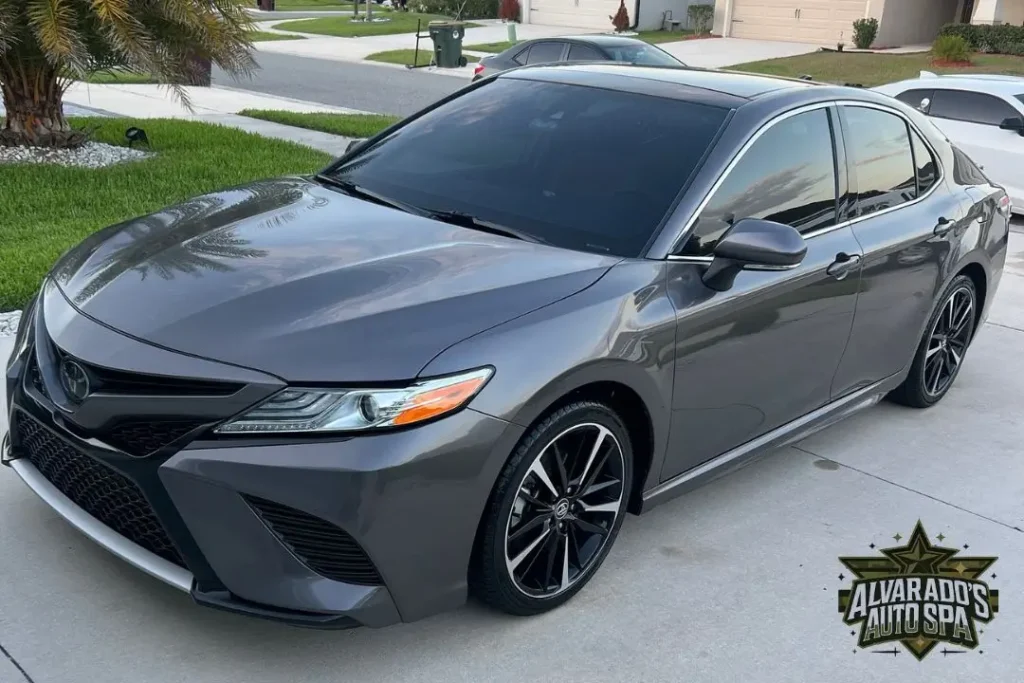
Once the coating is on the car, the real value shows up in how the paint holds up day after day. It’s not just about looks, it’s about how well the surface is protected from constant exposure and wear.
1. UV Protection and Oxidation Prevention
After coating, the paint gets a stronger barrier against sunlight. This helps slow down fading and keeps the color from turning dull over time. The surface doesn’t break down as quickly under constant sun exposure. So, the paint stays healthier for longer, rather than looking aged or washed out.
2. Chemical and Environmental Resistance
The coating also helps protect against things that normally stain or damage paint. Bird droppings, bug residue, road grime, and light pollutants don’t bond as easily to the surface. Instead of soaking in or etching into the paint, they sit on top longer, giving you more time to clean them off before any real damage happens.
3. Scratch Resistance and Surface Durability
While it won’t stop deep scratches, the coating does add a light protective layer that helps reduce minor swirl marks and fine surface damage. Everyday contact, such as washing, wiping dust, or light friction, becomes less harmful to the clear coat. Over time, this helps the paint stay smoother and more consistent in appearance.
4. Weather and Sun Damage Defense
The biggest difference shows up in how the car handles changing weather. Strong sun, heavy rain, and constant humidity all put stress on unprotected paint. With coating, the surface is better shielded from these elements.
It helps reduce fading, spotting, and moisture-related wear. The paint simply holds up better through daily environmental exposure.
Is Ceramic Coating Your Car Really Worth It?
The short answer is yes, but not in an exaggerated way. It doesn’t make your car invincible, but it does make a clear, everyday difference in how your paint looks, feels, and holds up over time.
Compared to leaving your car unprotected, the change is pretty easy to notice.
| Feature | No Coating | Ceramic Coating |
| UV Protection | Paint fades faster under constant sun exposure | Helps slow down fading and oxidation |
| Water Repellency | Water spreads and sticks, leading to spots | Water beads up and rolls off quickly |
| Dirt and Grime Buildup | Dirt sticks easily and builds up faster | Less dirt adhesion, surface stays cleaner longer |
| Scratch Resistance | More prone to swirl marks from washing | Reduces light swirl marks (not scratch-proof) |
| Chemical Resistance | Bug splatter and droppings can stain quickly | Adds a barrier against common contaminants |
| Cleaning Effort | Requires frequent washing and scrubbing | Easier to wash, less effort needed |
| Gloss and Shine | Moderate, fades quickly | Deep, high-gloss finish that lasts longer |
| Maintenance Frequency | High | Lower with proper care |
Without coating, your paint is constantly exposed and wears down faster. You’ll notice more fading, more dirt sticking, and more time spent trying to keep it clean.
Who Benefits Most From Ceramic Coating?
Ceramic coating isn’t something every car needs, but for the right situation, it makes a noticeable difference. It really comes down to how your car is used and the kind of exposure it faces every day.
If your car is constantly exposed to the elements, the benefits become apparent quickly. Less buildup, easier cleaning, and paint that holds up better over time.
It’s especially useful for:
- Daily drivers that deal with regular sun, rain, and road exposure.
- Cars that are parked most of the time outdoors with no cover.
- Vehicles that constantly collect dirt, grime, or water spots.
- Owners who want that clean, professional detailing finish without having to wax often.
For these cases, ceramic coating isn’t just about appearance. It’s about reducing how much effort it takes to keep your car looking good week after week.
Caring for Your Ceramic Coating: Simple Tips to Keep the Shine Alive
Follow the care guide to keep the ceramic shine:
1. Wash your car regularly
Even with coating, dirt, dust, and road film will build up over time. If you leave it sitting too long, it starts to dull the surface and reduce that slick feel.
Try to wash your car every 1–2 weeks, depending on use.
A simple rinse and gentle wash are usually enough, since the coating already prevents heavy buildup. The goal isn’t constant cleaning, it’s preventing dirt from settling in.
2. Use the right products
Not all car shampoos are coating-friendly. Strong detergents or harsh soaps can slowly strip away the performance layer, even if the coating itself remains intact.
A pH-neutral shampoo keeps things balanced. It cleans the surface without interfering with the coating, so you keep that water-beading and smooth finish for longer.
3. Dry the car after washing
This step is often skipped, but it makes a big difference. Water, especially if it contains minerals, can leave spots when it dries on the surface.
When you dry the car with a soft microfiber towel, you’re preventing those marks from forming. It also helps maintain that clean, streak-free finish that makes the coating stand out.
4. Avoid rough washing methods
Automatic car washes with brushes might be convenient, but they can slowly introduce swirl marks over time. Even with a coating, repeated friction like that can affect the surface’s smoothness.
Hand washing is always the safer option. It gives you more control and keeps the finish looking consistent, rather than slowly picking up fine scratches.
So, yes, maintaining a ceramic coating isn’t about doing more. It’s about doing a few things the right way.
Final Takeaway – Is the Transformation Worth It?
Yes, it makes a real difference, and not just in how your car looks.
Before coating, the paint often feels dull, picks up dirt quickly, and takes more effort to keep clean. After coating, the surface looks deeper, stays cleaner for longer, and becomes much easier to maintain.
You’re getting better protection from daily exposure, a shine that actually lasts, and less time spent trying to keep the car looking good. It’s not just about appearance. It’s about making things simpler over time.
Frequently Asked Questions
How much difference does ceramic coating actually make?
You’ll notice it right away. The paint looks deeper and cleaner, and over time it stays that way with less effort compared to an unprotected surface.
Does ceramic coating fix scratches and swirl marks?
Not by itself. Those need to be corrected before applying the coating. The coating helps reduce future swirl marks, but it won’t remove existing damage.
How long does the “after” look last?
With proper care, the improved shine and protection can last for years. Without maintenance, performance will fade sooner even if the coating is still there.
Is the car completely maintenance-free after coating?
No. You still need to wash it regularly. The difference is that cleaning becomes easier and takes less time.
Does ceramic coating stop water spots completely?
It helps reduce them, but it doesn’t eliminate them. Water can still leave marks if it dries on the surface.
Can you apply ceramic coating without paint correction?
You can, but it’s not recommended. The coating will lock in whatever condition the paint is in, including swirl marks and dullness.
Is ceramic coating only for new cars?
No. It works on both new and used cars. Older cars just need proper prep to get the best results.
What’s the biggest benefit after applying ceramic coating?
The biggest change is how easy it becomes to keep your car clean while maintaining a consistent, glossy look over time.