
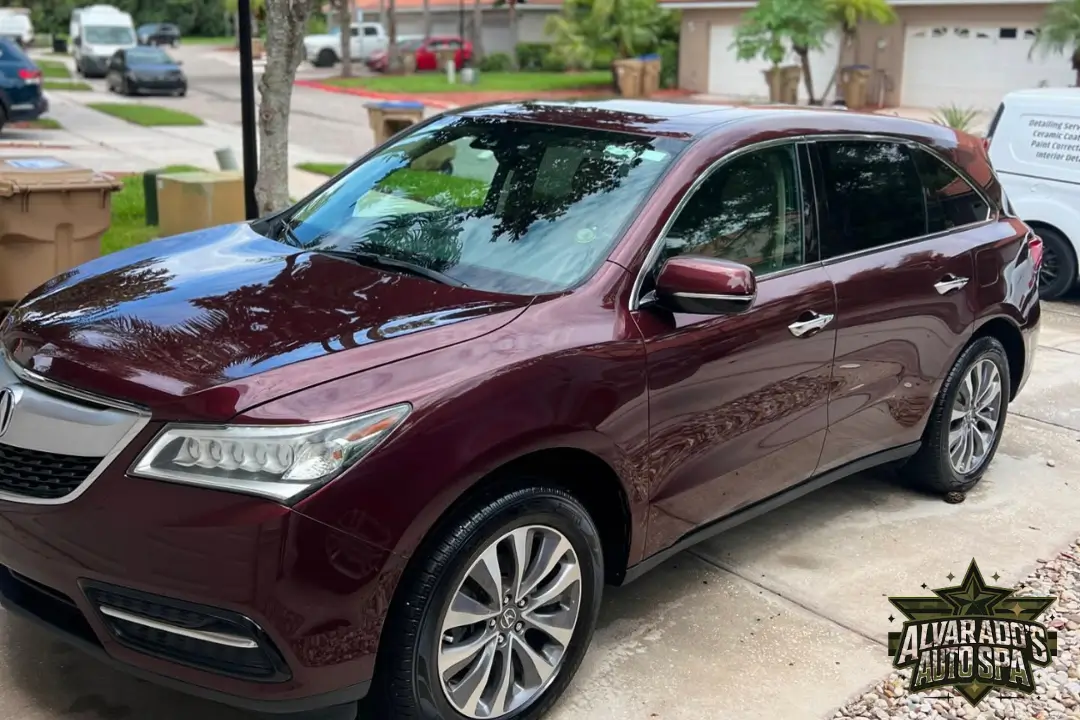
The best ceramic coating for your car is the strong UV protection, high hydrophobic performance, and long-term durability. The sun is harsh in Florida. The humidity doesn’t give your paint a break. And if you’re anywhere near the coast, salt in the air slowly wears things down.
That’s why choosing the best ceramic coating for cars is important. But how can you figure out which one is best? One easy trick is not to focus on brands, find the strong ones to handle the Florida climate.
How can you do that? Let’s discuss this all in detail below.
Why Ceramic Coating Matters More in Florida Than Other States?
Florida is one of the toughest places in the world for car paint. The heat is constant, the air stays heavy with moisture, and if you live near the coast.
Also, salt is always in the background, working against your vehicle. Over time, all of this adds up and slowly breaks down the finish if there’s no proper protection.
That’s exactly why people start looking into ceramic coating here. It’s not about making the car look shiny for a week. It’s about slowing down the real damage that happens every single day.
The ceramic coating protects the car in different ways, such as:
- Shields paint from strong UV rays, reducing oxidation and fading.
- Creates a barrier against humidity, helping maintain a glossy clear coat.
- Resists coastal salt air, slowing down surface corrosion.
- Prevents acidic insect residue from bonding and staining the paint.
- Repels water, reducing rain spots and surface marks.
Key Features to Look for in a Ceramic Coating
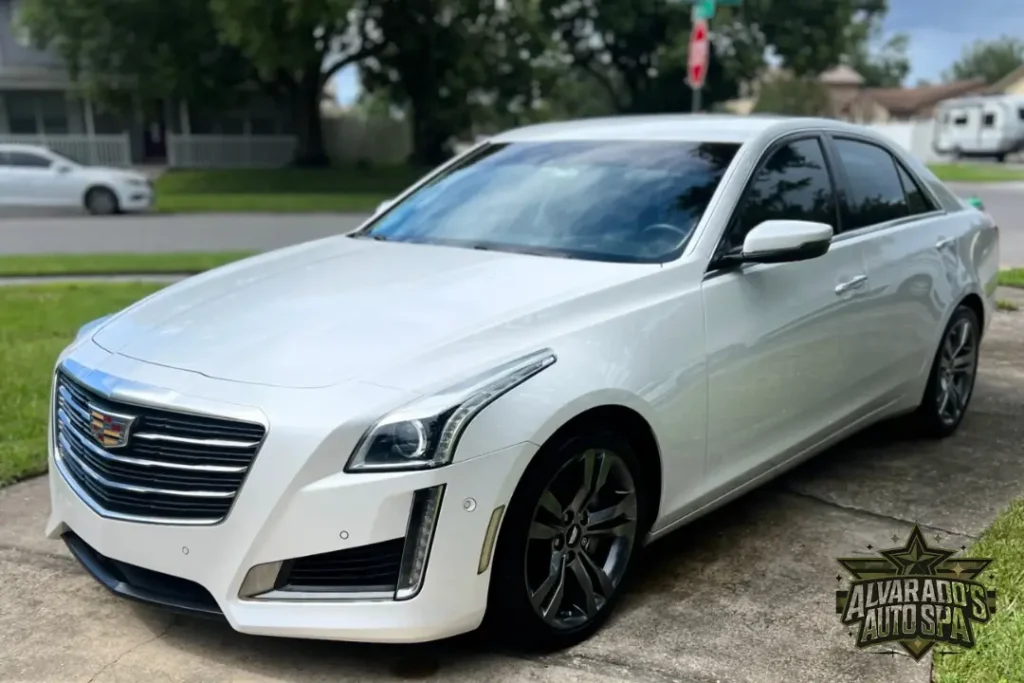
Before picking the coat, one waits and looks for those features in it:
1. Strong UV Protection
This protective layer helps block or reduce damage from constant sunlight. In Florida, the sun is strong almost all year. That nonstop exposure slowly breaks down your clear coat. Over time, your paint starts to fade, lose depth, and look dull.
Your paint doesn’t age as fast with proper UV protection and ceramic coating. It slows down oxidation, keeps color richer for longer, and reduces that “sun-baked” look you often see on older vehicles parked outside.
2. Hydrophobic Performance
This is the water-repelling effect that makes water bead up and roll off the surface instead of sticking.
The rain is frequent and often leaves behind dirty water spots. When water sits on paint, it dries, leaving hard-to-remove marks.
Ceramic coating won’t let that happen. Water slides off faster, which means fewer spots, less dirt sticking, and easier washing. You spend less time scrubbing and more time just rinsing and wiping.
3. Chemical Resistance
A barrier that helps protect your paint from harmful substances like bug acids, bird droppings, road grime, and light pollution in rainwater.
It works against the lovebug problem in Florida. Their residue can actually eat into paint if left too long. The same goes for bird droppings and acidic contaminants.
If you have the strongest ceramic on, then you don’t need to stain or etch into the paint. With this coat, these contaminants sit on top longer. That gives you more time to clean them off before they cause permanent damage.
4. Scratch Resistance Layer
A harder protective surface that adds a light buffer over your clear coat. Daily washing, wiping dust, or even using the wrong towel can create swirl marks.
It reduces the chance of light scratches and swirl marks during normal maintenance. The paint stays smoother and looks cleaner for longer between details.
5. High Gloss Finish
A finish that enhances how light reflects off your car’s paint, making it look deeper and more polished. Without protection, cars can look older than they are.
So, it boosts clarity and depth in the paint. Your car looks freshly detailed more often, even between washes, because the surface stays smooth and reflective.
At the end of the day, each of these features works together. You’re not just adding shine. You’re building a layer of protection that helps your car withstand Florida’s weather without breaking down as quickly.
Types of Ceramic Coatings
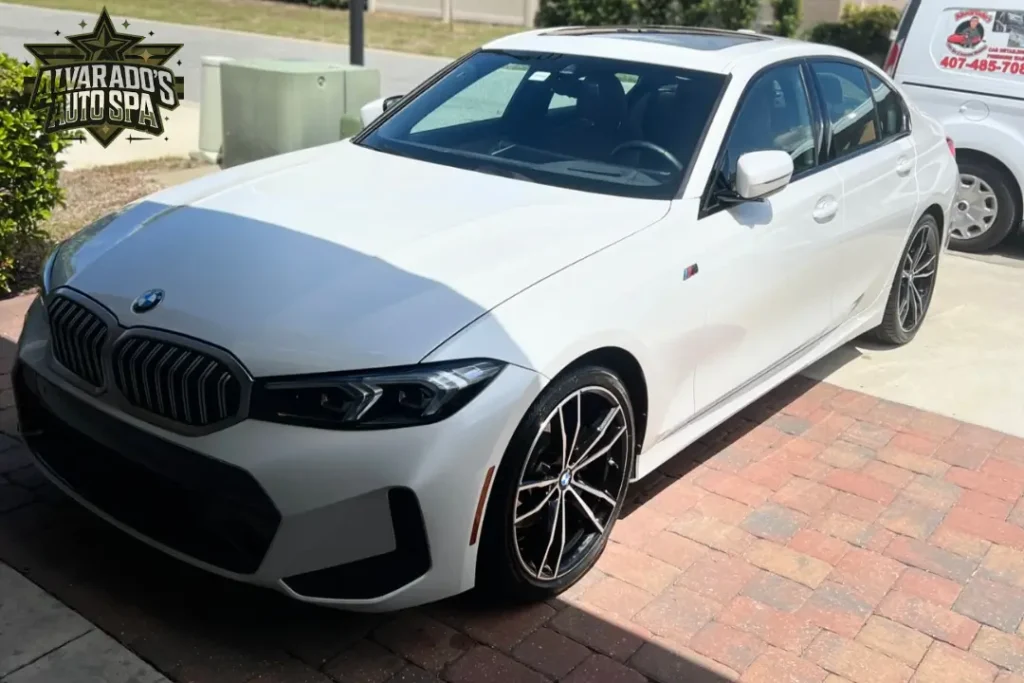
We suggest Florida car owners use those Ceramic coatings:
1. DIY Ceramic Coating
This is a coating you can apply yourself at home. It usually comes in small kits and doesn’t need professional equipment or a detailing shop. It’s budget-friendly and easy to access.
You don’t need to schedule anything or spend a lot upfront. That makes it popular for first-time users.
It gives your paint a basic protective layer. Water will bead better, and light dirt won’t stick as easily. It won’t last as long as professional work. But it’s a good starting point for improving protection.
2. Professional-Grade Coating
This type is applied by trained detailers after proper surface preparation, such as washing, decontamination, and paint correction. The better the prep, the better the coating bonds to the paint. That means stronger protection and more consistent results over time.
You get a thicker, more durable layer that holds up better against weather, washing, and daily driving. It also keeps the surface looking cleaner for longer and reduces how often you need to worry about maintenance.
3. Graphene vs Traditional Ceramic
These are two modern variations of paint protection. Traditional ceramic coatings are based on SiO₂ technology, while graphene-infused versions include added materials designed to improve performance.
Different formulas react differently to heat, water, and environmental buildup. That’s why some coatings last longer or behave slightly differently in real-world use.
Traditional ceramic coatings are known for strong gloss and reliable protection.
However, graphene-style coatings are made to reduce water spotting and handle heat more efficiently. Both protect your paint well, the difference is mostly in how they perform under stress.
How to Choose the Right Type of Ceramic Coating for Your Car?
If you are confused among those types, then follow those steps to figure it:
Step 1: Start With How You Use Your Car
The kind of your car matters because exposure changes everything. A car that faces constant sun, dirt, and weather needs stronger protection.
On the other hand, a car that’s mostly sheltered doesn’t need the same level of durability. When you match the coating to how your car is used, you avoid overpaying or under-protecting.
Step 2: Decide How Long You Want It to Last
Not everyone needs something that lasts for years. Some people are okay with shorter protection if it’s easier to manage.
Longer-lasting coatings usually require more prep and cost more upfront, but they save you time later. Short-term options are easier to apply and cheaper, but they need to be reapplied sooner.
So it really comes down to whether you prefer paying once and forgetting about it, or doing light maintenance more often.
Step 3: Be Honest About Maintenance
This is where most people get it wrong. Every coating needs some level of care, no matter how advanced it is.
If you’re someone who washes your car regularly and enjoys keeping it clean, you can manage with a simpler coating.
But if you want something that stays cleaner with less effort, then a stronger coating will make your life easier. It reduces how much dirt sticks and makes cleaning quicker when you do get around to it.
Step 4: Focus on Features That Actually Matter
It’s easy to get distracted by marketing, but the real value comes from how the coating performs.
You want something that can handle sunlight without fading your paint, repel water so it doesn’t leave marks, and resist common contaminants like bug residue or dirt buildup.
A bit of scratch resistance also helps reduce swirl marks from washing, while a clean gloss finish keeps the car looking fresh.
When a coating does these things well, it’s doing its job. Everything else is just extra.
Step 5: Match It to Your Environment
Where and how you drive plays a bigger role than most people think. Constant sun, frequent rain, dusty roads, or even bugs can all affect how long a coating lasts.
If your car deals with tougher conditions, it makes sense to go for something more durable that won’t break down quickly. If your environment is less demanding, you can get away with lighter protection and still keep your paint in good shape.
How Long Does Ceramic Coating Last in Florida?
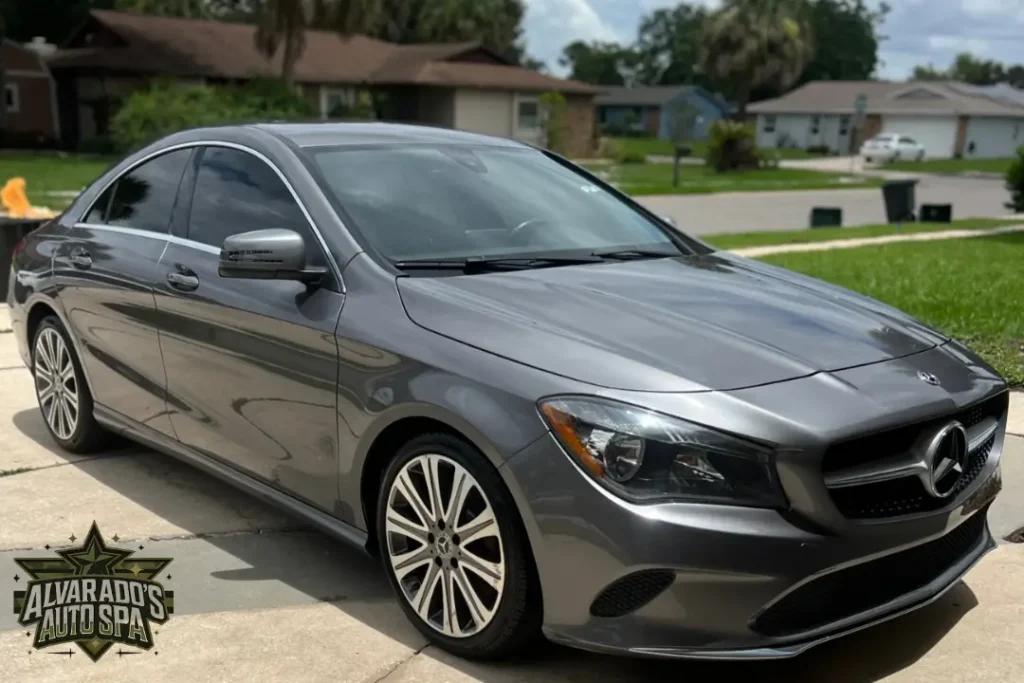
Ceramic coating lasts 2 to 5+ years in Florida. A professionally applied, multi-layer coating usually sits on the higher end, often lasting 3 to 5 years or more.
On the other hand, entry-level or DIY options tend to hold up for about 1 to 2 years before performance starts to drop.
But, how long it actually lasts comes down to 2 things:
- How well it’s applied.
- How well it’s maintained.
Without proper care, even a good coating can break down more quickly, especially under constant sun and coastal exposure. However, the lifespan also depends on the type such as:
| Coating Type | SiO₂ Content | Typical Lifespan |
| Consumer / DIY Coatings | 5–15% | 6–12 months |
| Entry-Level Professional | 30–50% | 1–2 years |
| Mid-Grade Professional | 50–70% | 2–3 years |
| Top-Tier Professional | 70–90%+ | 3–5+ years |
What Are The Downsides To Ceramic Coating?
Ceramic coating sounds like the perfect solution, but it’s not without trade-offs. It does a great job protecting your paint, but there are a few things you should know before deciding if it’s right for you. Knowing these upfront helps you set realistic expectations and avoid disappointment later.
Here are the main downsides to watch out for:
- Higher upfront cost
- Not scratch-proof
- Prep work takes time
- Application can be tricky
- Still requires maintenance
- Water spots can still happen
- Removal isn’t simple
At the end of the day, ceramic coating is more like long-term protection, not a “set it and forget it” solution. It works really well when done right. But it still needs the right expectations and care to get the most out of it.
Maintenance Tips for Ceramic Coated Cars
A ceramic coating makes your car easier to maintain, but it doesn’t remove the need for care. If anything, the way you maintain it determines how long it actually performs as it should. A little consistency here goes a long way.
Here is how we suggest car owners care for:
Proper washing routine
You don’t need to wash your car every day, but letting dirt sit too long defeats the purpose of the coating. A gentle wash on a regular schedule helps remove buildup before it sticks or stains.
Avoiding hard water spots
Water can still leave marks if it dries on the surface, especially in hot conditions. Try to dry the car after washing instead of letting it air dry. This small step makes a big difference over time.
Using pH-neutral shampoo
Not all car shampoos are coating-friendly. Harsh soaps can slowly weaken the protective layer. A pH-neutral wash keeps the coating intact while still effectively cleaning the surface.
Regular inspection
Every now and then, take a closer look at your paint. Check how water behaves and if certain areas are losing performance. Catching small issues early helps you maintain that consistent protection.
So, yes, ceramic coating works best when you support it with simple habits. You’re not doing extra work. You’re just making sure the protection you already paid for keeps doing its job.
Final Thoughts
Ceramic coating only works as well as the prep and application behind it. Done right, it protects your paint and makes maintenance a lot easier. Done wrong, it doesn’t last.
At Alvarado’s Auto Spa, we focus on doing it properly from the start. So, whenever you need or are confused, just hop in.
Frequently Asked Questions
Is ceramic coating worth it for daily drivers?
Yes, especially if your car is exposed to sun, rain, and dirt regularly. It reduces how quickly damage accumulates and makes cleaning much easier, saving time in the long run.
How often should you wash a ceramic coated car?
Ideally every 1–2 weeks. You don’t have to be strict about it, but regular washing helps maintain the coating’s performance and keeps dirt from sticking.
Does ceramic coating completely prevent water spots?
No, it reduces them but doesn’t eliminate them. Water can still leave mineral marks if it dries on the surface, so drying the car after washing is still important.
Does ceramic coating replace waxing?
Pretty much, yes. You don’t need traditional wax anymore, but some people still use maintenance sprays to boost performance over time.
How do you know if your ceramic coating is still working?
The easiest sign is how water behaves. If it still beads up and slides off easily, the coating is doing its job. If water starts sitting flat, performance may be dropping.
[…] recommend that car owners use this kind of ceramic coatingin […]
[…] Here is how we remove all kinds of ceramic coating: […]
[…] with the best ceramic coating, water spots can still form when mineral-heavy water is left to dry on the paint. Rainwater, […]