
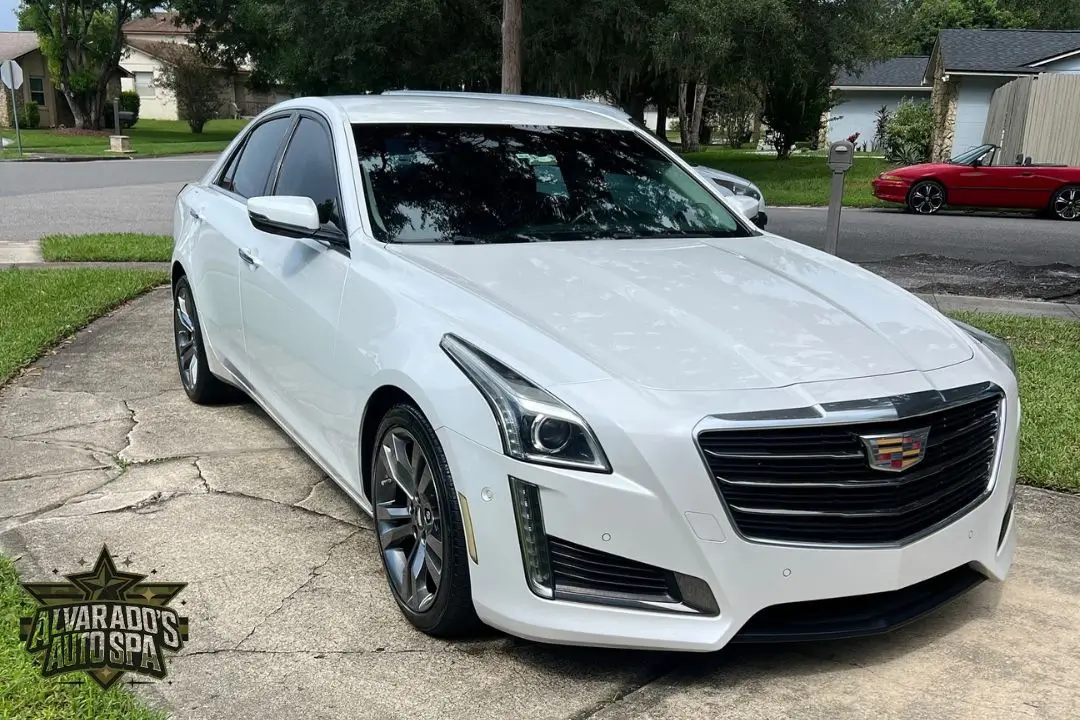
You can have ceramic coating applied to your car. But a DIY ceramic coating can look simple on the surface. You buy the coating, wash the car, apply it, and expect long-lasting paint protection within 18-20 hours.
But after hundreds of car detailing jobs, I saw a pattern that the real result depends on one thing more than anything else: surface preparation.
You can try to do a professional finish, but can you really do that? Well, it can work if you follow the right process, use the right products, and take your time. Let me explain in detail.
Is DIY Ceramic Coating Worth It?
It is worth it if you wanna save money while still giving your vehicle some level of paint protection. In most cases, a properly applied DIY coating can provide protection for 6 months to 2 years. It shields the paint from dirt, contaminants, and UV exposure.
But the result depends heavily on preparation. Before applying the coating, the paint needs to be properly washed, decontaminated, polished if needed, and wiped down with a panel prep solution.
At least I recommend doing it to some car owners, and they responded positively.
It works because if the surface is not clean and smooth, the coating can lock in swirl marks, water spots, oxidation, or stains.
DIY Ceramic Coating vs Professional Ceramic Coating
DIY is a cheaper option, but it won’t last long or even give a shiny look. Professional ceramic coating offers greater durability and a superior finish. Because trained detailers work through paint correction, they use stronger coating formulas.
Rather than those, it also differs in other levels too, like:
| Feature | DIY Ceramic Coating | Professional Ceramic Coating |
| Preparation Quality | Moderate. Depends on your skill. | Thorough. Done by trained detailers. |
| Application Difficulty | High. Small mistakes affect the finish. | Moderate. Experts handle the technique. |
| Durability | 6 months – 2 years. | 2 – 10 years. |
| Risk of Mistakes | High risk of uneven coating. | Low. Controlled application. |
| Cost | Low to moderate. | Higher, includes labor and premium products |
How To Do Ceramic Coating at Home?
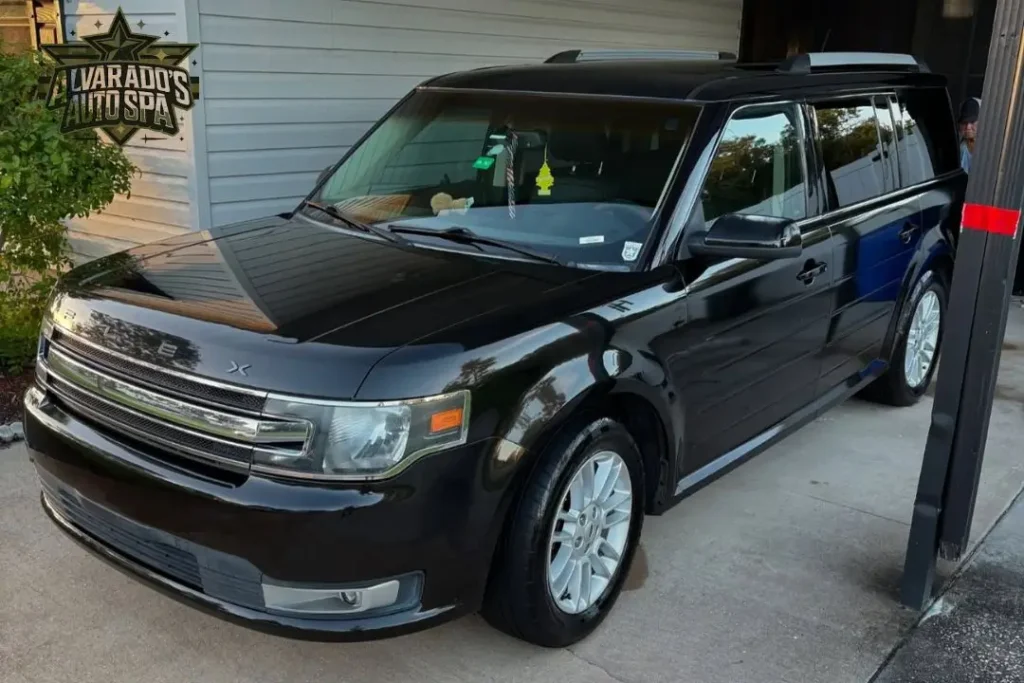
Step 1: Start With a Deep Wash
I like to clean panel by panel and make sure the lower areas, wheels, and tight edges don’t carry dirt back onto the paint. Ceramic coating should never be applied to a dirty surface.
Step 2: Remove Bonded Contamination
After washing, the paint may still feel rough. That usually means there is bonded contamination sitting on the surface. This is where a clay bar, clay mitt, or iron remover helps. If you skip this step, the coating may not bond evenly.
Step 3: Polish the Paint If Needed
If the car has swirl marks, water spots, oxidation, or dull paint, polish it before applying the coating. Ceramic coating will not fix bad paint. It can actually make defects more noticeable because it locks everything underneath.
This is the step where many DIY results go wrong.
I remember the first time I tried coating my own car, I skipped proper polishing because the paint looked “good enough” under normal light.
So, I had to go back, remove the coating from those panels, and redo the polishing properly before applying it again. Since then, I have always taken extra time to check the paint under better lighting.
Step 4: Wipe the Paint With Panel Prep
After polishing, wipe the panels with an IPA or panel prep solution. This removes polish oils and leftover residue.
The paint needs to be clean and bare so the coating can bond properly. I usually take extra time here because even a small oily area can cause uneven coating.
Step 5: Apply the Coating in Small Sections
Now apply the ceramic coating in small areas. Do not try to do a full hood or full door at once.
Use a few drops on the applicator and spread it in a crosshatch pattern:
- First, go left to right.
- Then go up and down.
- Keep the layer thin and even.
- Do not overload the panel with product.
Small sections are easier to control, especially if you are doing it at home without shop lighting.
Step 6: Wait for Flashing, Then Wipe
After applying the coating, wait for it to flash. You may see a slight rainbow effect, haze, or oily look depending on the product.
Then wipe it off with a clean microfiber towel. After that, use a second towel to buff the area again. This helps remove high spots before they harden.
This part is important. If you wait too long, the coating can become harder to level.
Step 7: Check Your Work From Different Angles
After each section, look at the panel from different angles. Check for streaks, cloudy areas, or uneven shine.
At home, lighting is usually not perfect, so move around the car and inspect carefully. A high spot may look small at first, but once the coating cures, it becomes much harder to fix.
Step 8: Let the Coating Cure
Once the car is coated, keep it dry and clean while it cures. Avoid rain, sprinklers, washing, or excessive touching of the paint during the first curing period.
Most coatings require at least 24 hours before water exposure; always follow the product instructions.
Note: DIY ceramic coating can give good results if you take your time. But if the paint has heavy defects, deep water spots, or if you are not comfortable polishing, it is better to get professional help. The coating is only the final layer. The real result comes from the prep work before it.
Challenges of DIY Ceramic Coating
Applying DIY ceramic coating can seem straightforward when you watch a few online tutorials. Most do it themselves ceramic coating kits promise an easy application and long-lasting protection.
But in reality, ceramic coating comes with challenges like:
1. Streaking or Uneven Coating
2. Locking Swirl Marks Into the Paint
3. High Spots and Patchy Finish
4. Difficult Removal if Mistakes Occur
5. A Time-Consuming Process
Because of these challenges, many car owners eventually consider whether the time, effort, and risk involved with DIY ceramic coating are worth it compared to hiring a professional car detailer.
How Much Does Ceramic Coating Cost in Florida?
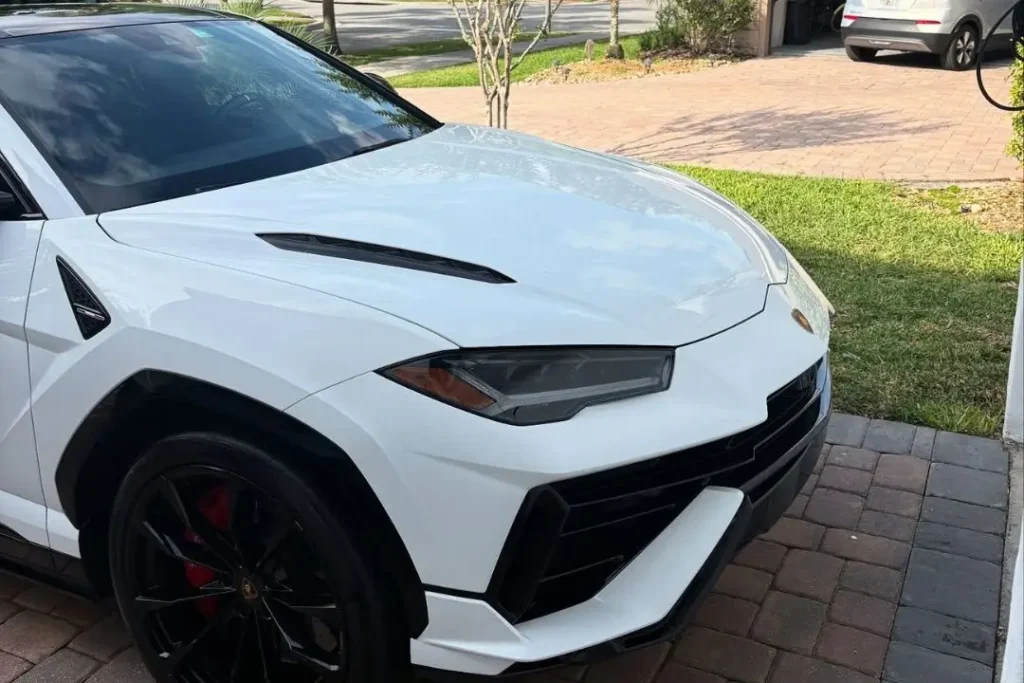
Our Car Ceramic Coating service in Florida starts at $1,200 and takes about 8 hours to complete. This is not just a quick coating application. It is a full exterior protection service built around proper prep, correction, and ceramic application.
We apply a premium ceramic coating to lock in shine and add long-term protection against UV, water spots, and chemicals. We also coat the wheels for easier brake dust removal and treat the glass for better clarity and water repellency in all driving conditions.
Is The Professional Ceramic Coating Cost Worth It?
For most car owners, especially in Florida, it usually is. Sure, DIY kits are cheaper, but professional coating isn’t just about slapping on a layer of protection. It’s about getting it done right.
Professionals handle all the prep work, from washing and clay bar decontamination to paint correction, and use high-quality coatings that can last for years.
That’s what you need to handle Florida’s sun, humidity, salty coastal air, and sudden rainstorms, which are tough on car paint. A properly applied professional coating helps your car resist heat, fading, water spots, and grime while keeping that showroom shine.
It also saves you time and frustration; you don’t have to worry about streaks, high spots, or uneven coverage. So, yes, professional detailing is better than DIY.
Final Thoughts
Ceramic coating can protect your vehicle, but the result depends on proper prep and application. If the paint is not washed, decontaminated, corrected, and wiped down properly, the coating may not perform as it should.
My team has been completing car detailing jobs since 2022 and has earned hundreds of client reviews. Based on our work, around 70% of early coating issues can be corrected without major paint correction when handled early.
So, let us handle the hard work so you can enjoy a brilliant, protected finish without the stress.
Frequently Asked Questions
Can I do a ceramic coating myself?
You can do it yourself, especially if you enjoy car detailing and are willing to spend the time on proper prep. DIY kits can provide short-term protection, typically lasting 6 months to 2 years, but they require meticulous washing, clay bar decontamination, and careful application. If you make mistakes, like streaking or uneven coverage, it can be difficult to fix.
Can a ceramic coated car go through a car wash?
Yes, but it’s best to avoid automatic brushes with harsh bristles. Ceramic coating helps repel dirt and water, so touchless or soft-cloth car washes are ideal. Hand washing with pH-neutral soap is even better to maintain the coating longer, especially in Florida’s sun and humidity.
Can you ceramic coat polycarbonate?
Ceramic coatings are designed primarily for automotive paint, so applying them on polycarbonate (like headlights or certain body panels) can be tricky. Some coatings are safe for plastics, but always check the product label and consider doing a small test area first.
Is there a downside to ceramic coating?
The main downsides are cost and application risks. DIY kits are cheaper but require skill and patience, while professional coatings can cost over $1,000 in Florida. Improper application can cause streaks, high spots, or locked-in scratches. That’s why many car owners prefer professional application for long-lasting protection and peace of mind.
cenforce 200 black
cenforce 200 black
cenforce 200 dosage
cenforce 200 dosage
benefits of creon
benefits of creon
viagra apple pay
viagra apple pay
acyclovir side effects drugs com
acyclovir side effects drugs com
liraglutide dose for obesity
liraglutide dose for obesity
ketorolac migraine dosing
ketorolac migraine dosing
toradol pain treatment summary
toradol pain treatment summary
ivermectin health overview
ivermectin health overview
ivermectin reference FAQ
ivermectin reference FAQ
minoxidil foam vs liquid timeline
minoxidil foam vs liquid timeline