
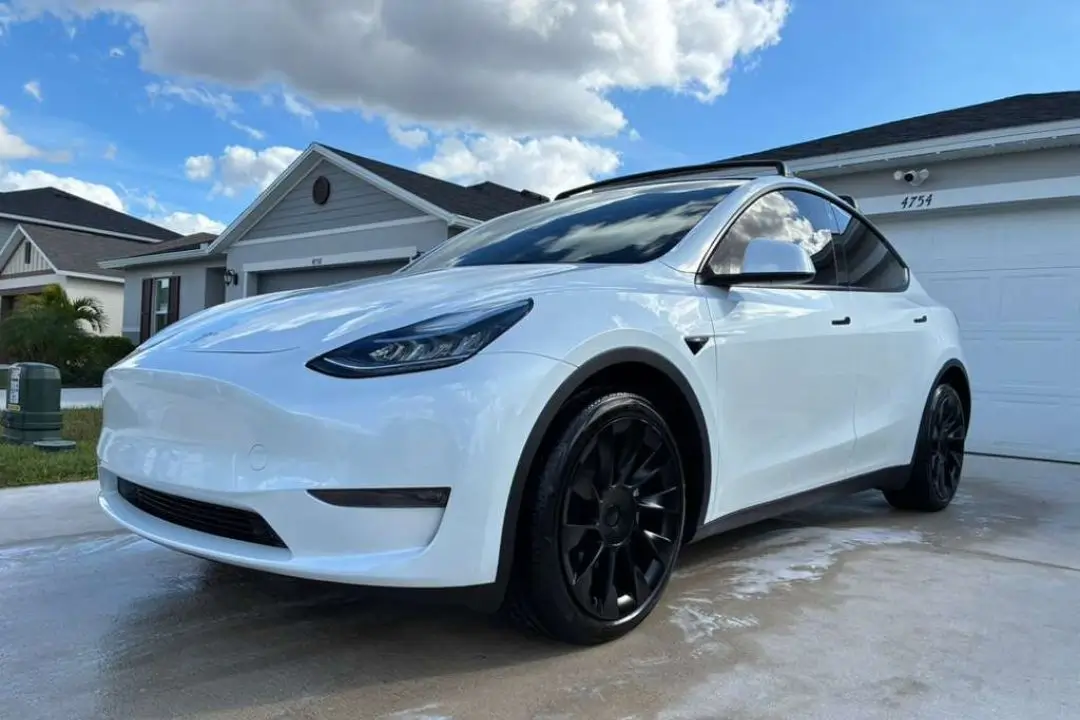
Ceramic coating is hydrophobic and repels water strongly. It does more than look attractive, since it helps block dirt, minerals, and road grime. As a result, you lower staining risk and keep surfaces smoother for longer periods.
Wondering how ceramic coatings stay hydrophobic in harsh Central Florida conditions? Keep going to see the full clarification.
What is a Hydrophobic Ceramic Coating?
A hydrophobic ceramic coating is a liquid polymer that forms a thin, durable shell over vehicle surfaces. After curing, it creates a slick layer that pushes water away and reduces how easily grime sticks to your paint, trim, and exterior parts.
• Silicon dioxide (SiO2) builds the main structure and bonds tightly to clear coat surfaces for strong chemical resistance daily wear.
• Titanium dioxide (TiO2) boosts hardness and UV stability, helping coatings bond to painted panels and reduce fading over time damage.
• Ceramic resin carriers help spread coating evenly across glass surfaces, creating a smoother texture that improves water movement during rainfall events.
• Additive polymers improve flexibility, helping product attach to wheel finishes where heat, brake dust, and friction challenge durability levels.
The Relationship Between Silicon Dioxide (SiO2) and Water Repellency
At a microscopic level, SiO2 forms a rigid network that links coating molecules tightly across your paint surface during curing and bonding reactions inside coating. Through covalent bonding, silicon and oxygen atoms share electrons, creating a stable lattice that resists chemical attack and reduces liquid adhesion during rain, washing, and humid driving conditions for vehicles.
You get a dense surface that limits how easily water spreads, helping droplets keep round shapes instead of flattening across coated panels during storms.
The SiO2 matrix fills tiny surface pores, creating a smoother texture that reduces friction between moisture and your vehicle exterior during normal outdoor exposure each day. As a result, contaminants struggle to anchor because the bonded structure stays chemically stable, while weaker organic materials break down faster under sun, heat, and environmental stress over long periods.
Also read: Is ceramic coating heat resistant?
How Hydrophobic Surface Energy Affects Water Beading
Imagine dropping marbles onto a polished glass table. The marbles stay round and roll easily because the surface offers little grip. Hydrophobic coatings act the same way, forcing water droplets to stay compact and mobile across your vehicle exterior surfaces.
Lower surface energy means liquids cannot spread out or cling tightly to coated panels. So, water forms tight beads that move quickly when gravity or airflow acts on them. This reduced attraction lowers the chance of mineral deposits forming after evaporation.
Thus, you see faster runoff during rain and easier cleaning during washes, helping your vehicle stay visually cleaner with less effort.
Why Contact Angles Determine the Quality of a Ceramic Coating
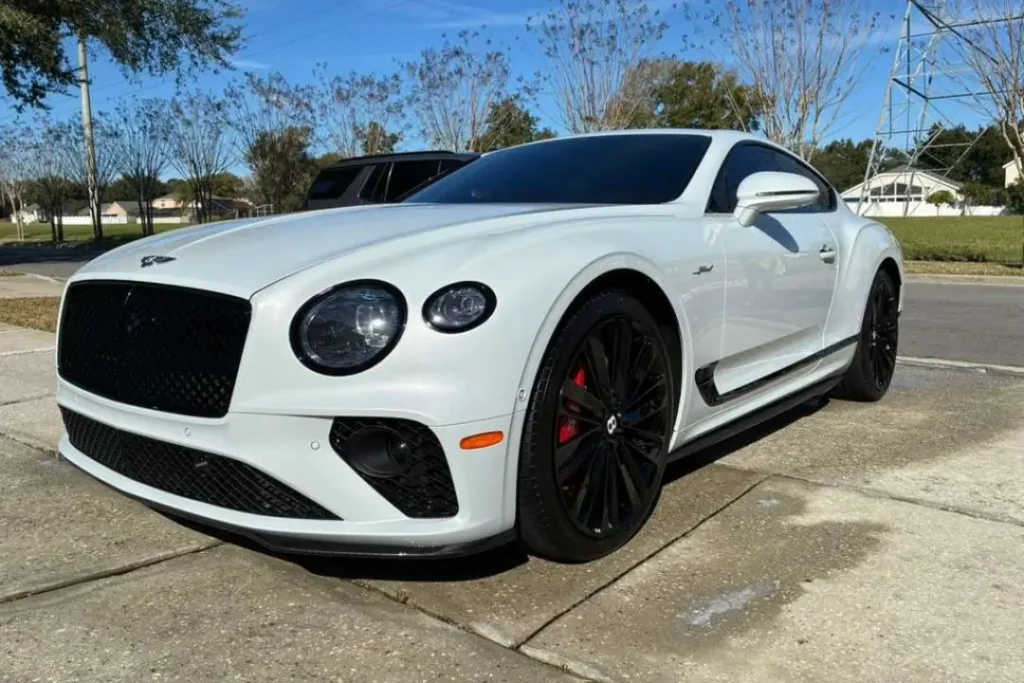
Contact angle values help you compare surface protection levels across different products. Additionally, they show how easily water leaves your vehicle during rain or rinsing.
Contact angle measures how water sits on your paint surface. Higher angles show stronger liquid repulsion and better coating performance overall:
| Surface Type | Contact Angle | Visual Result |
| Uncoated Paint | 60° | Water spreads and forms pooling patches across panels, increasing dirt attachment risk and drying streaks after evaporation cycles. |
| Traditional Wax | 85° | Water forms rounded beads that move slowly, offering moderate water movement but still leaving some residue after repeated rainfall exposure. |
| Ceramic Coating | 110° | Water forms tight beads that roll off quickly, helping remove loose debris and reducing standing moisture after storms or rinsing. |
Keynote: Higher contact angles usually signal stronger liquid resistance. However, real world performance also depends on maintenance habits and environmental exposure. For example, road film buildup can temporarily lower measured angles until you clean the surface. Regular washing helps coatings maintain designed surface tension levels.
Benefits of the “Self-Cleaning” Lotus Effect in Automotive Coatings
The Lotus Effect lets coatings shed water and debris easily, helping your vehicle stay cleaner during driving and outdoor exposure.
1. Reduced wash frequency
You spend less time washing because dirt struggles to anchor onto coated surfaces after normal commuting and parking outdoors. Your car keeps a fresh appearance longer between cleaning sessions, reducing soap use and labor effort.
Additionally, fewer wash cycles help protect trim pieces and decals from repeated scrubbing contact. Therefore, you maintain strong surface gloss while lowering water consumption across yearly maintenance routines for your vehicle finish.
2. Contaminant encapsulation
Water droplets collect loose particles and isolate them before they press into paint pores during driving in polluted or dusty areas. Consequently, grime lifts away easier during rinsing, helping reduce staining from bird residue, tree sap mist, and airborne fallout.
Sealed surfaces make chemical bonding harder for corrosive particles across long parking periods outdoors. This protection helps preserve paint clarity and reduces correction polishing needs during ownership years cycles.
3. Ease of drying
Rounded droplets slide away faster after rinsing, leaving less standing moisture on panels and trim pieces. Therefore, you can dry your vehicle quicker using towels or airflow, lowering streak formation and mineral spotting after evaporation.
Quicker drying reduces chances of water collecting around badges, seams, and mirrors during humid weather conditions. As a result, you maintain a cleaner finish and spend less time correcting water marks after each wash.
Ceramic Coating vs. Wax: Which Provides Better Hydrophobic Protection?
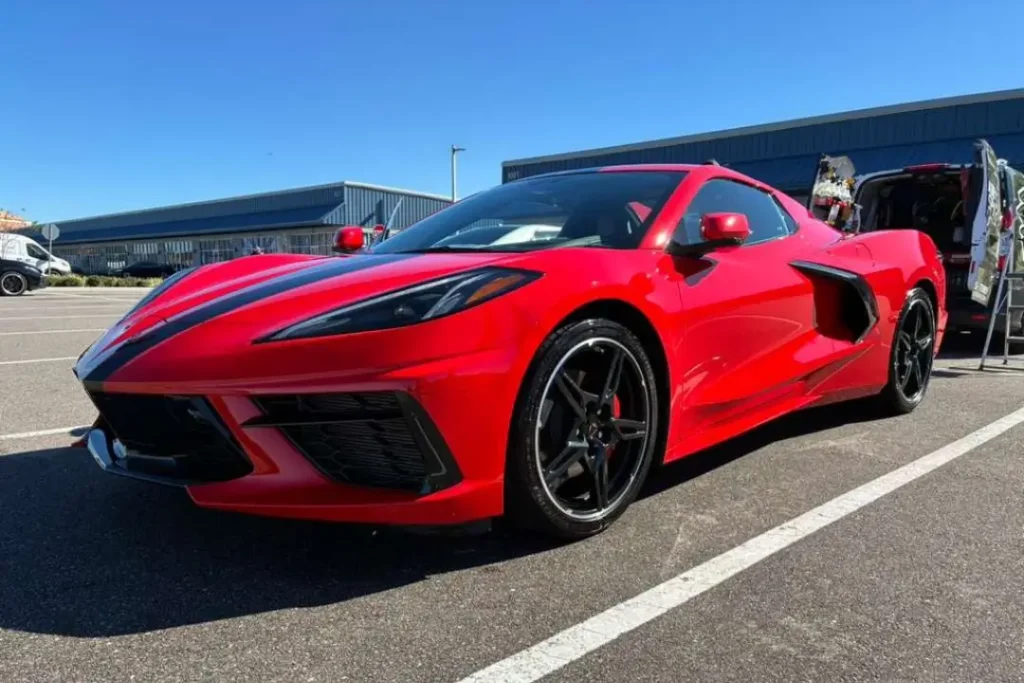
Hydrophobic protection varies between products, and it affects water behavior, durability, and maintenance you encounter during daily driving.
Traditional Wax
You get short-term water beading because wax sits on the paint surface without forming strong chemical bonds. Heat, detergents, and sun exposure break wax down quickly, so you often need to reapply it every few weeks to maintain shine and liquid repellency.
Wax can soften in hot conditions, which reduces water movement during rain. Dirt and grime stick more easily once protection thins, increasing cleaning effort. Small scratches or swirl marks can appear during washing if the surface is coated only with wax.
Ceramic Coating
Cured ceramic layers create strong molecular networks that resist heat, chemicals, and environmental stress. Water forms tight beads that stay mobile for months or even years with proper maintenance. The harder surface reduces light scratches and swirl marks during washing.
Road grime and mineral deposits roll off more efficiently, lowering cleaning effort. You spend less time reapplying protection and more time enjoying a glossy, smooth finish. Beading remains consistent even after exposure to sun, rain, and daily driving hazards.
How Long Does the Hydrophobic Effect of Ceramic Coating Last?
Hydrophobic performance depends on ceramic coating type, thickness, and care habits, affecting how long water beads stay tight on your vehicle.
Professional-grade ceramic coatings, including options for ceramic coating Lakeland vehicles, can protect paint for up to 5 years under ideal conditions.
Mid-range coatings usually last 2 to 3 years before their chemical resistance starts to fade. You might notice water beading reduces sooner, sometimes within 12 to 18 months, if dirt, road salts, and UV exposure are not managed properly.
Maintenance plays a major role in preserving hydrophobicity. Regular washing using pH-neutral soaps keeps surfaces clean and prevents buildup that can mask water-repellent properties. Applying maintenance sprays designed for coatings can refresh the water-beading effect and restore some lost repellency.
Even though the physical coating may remain intact for years, untreated surfaces gradually lose their extreme beading ability. You can prolong strong hydrophobic behavior by cleaning frequently and using compatible detailing products. This ensures your car stays visually striking and protected from contaminants while reducing water spots over time.
What Causes a Ceramic Coating to Lose Its Hydrophobicity?
Certain factors can reduce water beading and weaken your coating’s performance over time:
- Environmental masking: Dust, pollen, and road grime can accumulate on the surface, covering the coating and preventing water from forming tight beads. You may notice reduced repellency even if the coating itself remains intact.
- High-pH soaps: Strong detergents or cleaners with high pH levels strip oils and protective layers from the coating. Frequent use can dull the surface, lowering hydrophobic performance and making water spread instead of bead.
- Industrial fallout: Contaminants from factories, road salts, and airborne chemicals can adhere to coated panels. These particles interfere with water movement and gradually degrade the coating’s water-repellent properties. Routine washing and proper care help prevent these effects, keeping beading consistent over time.
Can You Restore the Water Beading Properties of a Clogged Coating?
You can restore water beading on a clogged ceramic coating. Many owners who invest in ceramic coating Orlando services follow decontamination and booster treatments to refresh hydrophobic performance.
Professionals start by washing your vehicle with a pH-neutral car shampoo to remove surface dirt, dust, and light contaminants. If residues remain, we use a clay bar or gentle decontamination product to lift embedded particles without damaging the coating.
After cleaning, we apply a ceramic maintenance spray or booster designed to refresh hydrophobic properties. These products help refill the coating’s surface and restore tight water beading.
With proper care, you can maintain strong repellency and prolong the coating’s effectiveness for months between full reapplications.
Conclusion
Ceramic coatings offer durable hydrophobic protection that keeps your vehicle cleaner, reduces maintenance, and preserves paint quality. You can enjoy tight water beading, easier drying, and fewer wash cycles when coatings are properly applied and maintained.
Hydrophobic performance depends not only on coating type but also on regular care. Routine washing, using compatible detailing products, and addressing contaminants promptly help maintain strong water repellency. Even high-quality coatings can lose effectiveness without proper attention, so consistent upkeep is essential.
For professional ceramic coating application, or restoring, contact Alvarado’s Auto Spa. Our team ensures long-lasting protection and optimal visual appeal for every vehicle.
Frequently Asked Questions
Does ceramic coating actually stop water spots?
Ceramic coating helps reduce water spots, but it does not fully stop them. Minerals in water can still leave marks if droplets dry on the surface. However, strong hydrophobic behavior helps water slide off faster, which lowers spotting risk. You still need regular washing and drying to keep paint spotless.
Is ceramic coating better than wax for rain?
Yes, ceramic coating usually performs better in rain. Water forms tighter beads and rolls off faster compared to wax. This helps remove loose dirt and lowers moisture contact time on paint. Wax can still repel water, but protection fades much faster during normal weather exposure.
Why did my ceramic coating stop beading water?
Surface contamination often causes this change. Dirt, road film, or mineral buildup can block the coating surface. The coating may still exist underneath, but performance drops until you clean and decontaminate the surface properly.
How do I maintain the hydrophobic effect of my coating?
Wash your vehicle regularly using pH-neutral car shampoo. Remove bonded contaminants when needed using safe decontamination methods. Use ceramic-safe maintenance sprays to refresh water beading. Consistent care helps coatings perform longer and keeps your vehicle looking clean.
hello world
hello world
viagra market
viagra market
semaglutide vs tirzepatide chemical structure
semaglutide vs tirzepatide chemical structure
orlistat 60mg otc
orlistat 60mg otc
wegovy (semaglutid) och mounjaro (tirzepatid)
wegovy (semaglutid) och mounjaro (tirzepatid)
tadalafil 15 mg
tadalafil 15 mg
acyclovir cream price in pakistan
acyclovir cream price in pakistan
ivermectin scabies benefits
ivermectin scabies benefits
minoxidil detailed faq
minoxidil detailed faq
minoxidil women’s postpartum hair loss
minoxidil women’s postpartum hair loss