
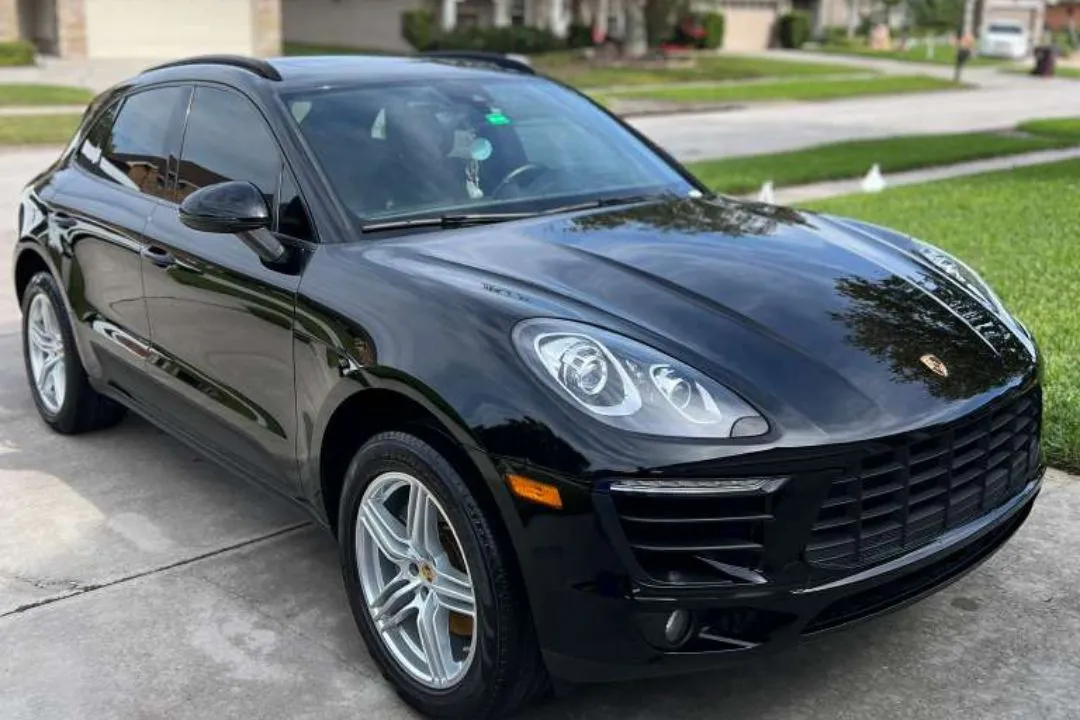
Cars in Central Florida are exposed to surface temperatures above 140°F for hundreds of hours each summer, stressing paint and trim significantly.
High-temperature ceramic coatings create a strong thermal barrier that protects vehicles from intense heat, UV radiation, and oxidation. You maintain a glossy finish, reduce micro-cracks, and extend your car’s lifespan during Central Florida’s long, hot summer months.
Read to explore how ceramic coatings resist heat and maintain your vehicle’s finish under extreme conditions.
Does Ceramic Coating Resist Heat and High Temperatures?
It resists heat well and protects surfaces during intense temperature exposure, though its performance depends on the coating type and the application process.
High-temp ceramic coatings provide superior ceramic coating temperature resistance, forming a hard shield that slows heat transfer. As a result, you can protect paint, metal, or exhaust parts during demanding driving or industrial use.
Moreover, high-temp ceramic coatings handle extreme environments. Many formulas tolerate between 1,200°F and 1,800°F, which suits racing engines, turbines, and heavy machinery surfaces during long operations daily.
Additionally, thermal protection improves part lifespan because heat damage decreases. You also reduce oxidation, warping, and surface cracking when temperature spikes happen during operation under stress.
You must choose the correct product for your purpose. Street vehicles need different thickness levels, curing methods, and chemical formulas.
Professional installation and proper maintenance help coatings handle long heat cycles. You gain better durability and stable performance across demanding temperature changes.
Also read: What is ceramic coating?
What Properties Make Ceramic Coating Heat Resistant?
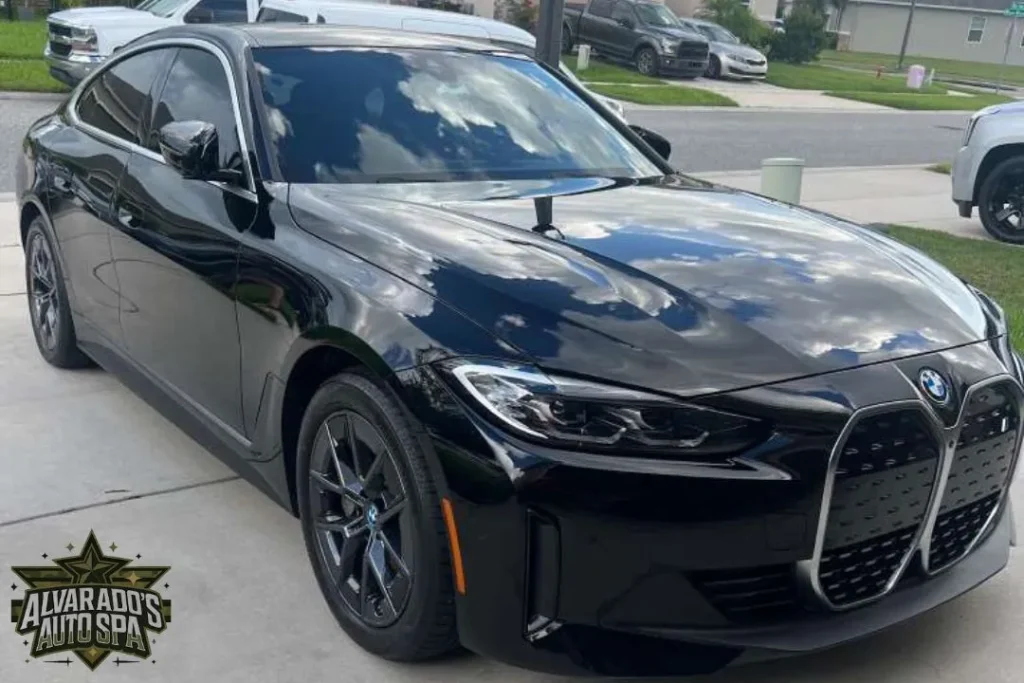
The following properties enable ceramic coatings to protect your car against high heat:
- Dense Molecular Structure: The tightly packed molecular structure limits heat transfer. You benefit from slower surface temperature rise, reducing warping or damage under extreme heat conditions.
- Silica Content: Silica forms a strong glass-like layer that makes your vehicle’s finish ceramic paint heat resistant and durable under extreme temperatures. You gain resistance against oxidation and thermal degradation during prolonged heat exposure.
- Titanium Dioxide Additives: Titanium Dioxide improves thermal stability and reflects heat efficiently. You protect underlying surfaces while maintaining structural integrity in high-heat environments.
- Alumina Reinforcement: Alumina increases hardness and temperature tolerance. You reduce cracking and surface wear, ensuring the coating survives intense heat over time.
How Do High-Temperature Ceramic Coatings Resist Extreme Heat?
Here we discuss how ceramic coatings create a shield against intense heat:
1. Nano-Ceramic Particles Form a Thermal Barrier
High-temperature heat resistant coatings use nano-ceramic particles that bond tightly to vehicle surfaces. These particles create a dense layer that slows heat transfer from engines, exhausts, or even brake components. You benefit because this thermal barrier prevents rapid heating of paint or metal, reducing the risk of warping or discoloration.
Cars in Central Florida particularly gain from this, as constant sun exposure and high temperatures can accelerate surface damage. Additionally, the coating fills microscopic surface gaps, ensuring heat spreads evenly rather than concentrating in spots that could crack or weaken the surface.
2. Protection at the Molecular Level
Ceramic coatings resist heat at a molecular level. The tightly packed molecular structure of the coating distributes energy across the surface. You prevent hot spots that can lead to thermal shock, paint bubbling, or metal fatigue. Nano-ceramic particles enhance these effects, forming chemical bonds that remain stable even during rapid heating or cooling cycles.
Vehicles exposed to stop-and-go traffic or hot engine bays maintain structural integrity longer. This molecular stability also reduces minor expansion and contraction, which keeps surfaces smooth and crack-free under thermal stress.
3. Resistance to Oxidation and Fading
Heat accelerates oxidation, UV damage, and paint fading. Ceramic coatings create a protective layer that blocks oxygen and slows chemical reactions on the surface. You preserve the original shine of your car’s paint, even under prolonged sun exposure.
In Central Florida, where UV intensity is high, coatings help prevent chalking and discoloration. This protection also reduces corrosion on metal parts and extends the lifespan of the finish. Combining thermal resistance with UV shielding makes ceramic coatings ideal for vehicles frequently parked outdoors or driven in hot climates.
4. Enhanced Durability Under Thermal Stress
High-temperature ceramic coatings remain durable during repeated heating and cooling cycles. You protect your vehicle from thermal shock, which often leads to cracking, peeling, or blistering. Cars with these coatings handle engine heat, hot exhausts, and friction-generated warmth without surface damage.
Nano-ceramic layers strengthen adhesion to the paint or metal, ensuring long-lasting protection. You also gain improved resistance to minor abrasions, which means surfaces stay smoother despite extreme heat and everyday wear.
5. UV and Environmental Heat Shielding
Ceramic coatings reflect sunlight and block UV rays while reducing heat absorption. You benefit from lower surface temperatures during hot days, protecting paint and trim from fading. Vehicles in regions where sunlight is intense, experience less degradation over time.
Additionally, coatings prevent hot debris, dust, or road chemicals from causing discoloration. The reflective effect reduces stress on exterior surfaces and keeps your car looking fresh even under extreme environmental conditions.
Also read: How does ceramic coating work?
Lifespan of Ceramic Coating When Exposed to High Temperatures
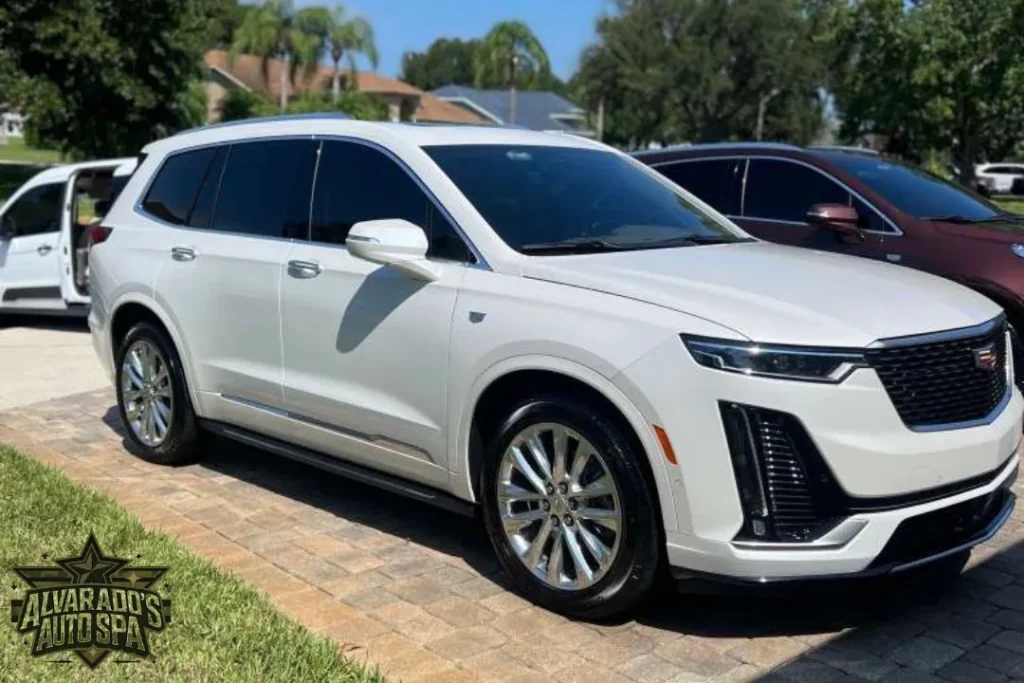
Ceramic coatings can last 2 to 7 years depending on heat exposure, coating quality, and maintenance, even when cars face extreme and consistent temperatures.
High temperatures and intense UV radiation gradually reduce a vehicle’s ceramic coating lifespan. You notice fading, surface dullness, or micro-cracks forming over time under constant thermal cycling. Cars in moderate climates usually maintain protection longer because the coating experiences fewer extreme stress cycles.
Heat resistance is not unlimited. Extreme and repeated temperature fluctuations weaken chemical bonds in the coating, reducing hydrophobic properties that repel water and contaminants. You may need reapplication sooner if the vehicle operates in regions with strong sunlight or engine heat exposure.
Regular cleaning and careful maintenance extend durability. You also prevent dust and chemical buildup that accelerates degradation. Overall, ceramic coatings remain effective for years but perform best when vehicles avoid continuous extreme heat and intense UV radiation.
How to Maintain Ceramic Coating for Long-Lasting Heat Protection
Our suggested maintenance tips to keep your ceramic coating effective against heat for years:
- Regular Washing: Clean your car frequently using a gentle, pH-balanced soap. You prevent dust, dirt, and heat-absorbing grime from reducing coating performance over time.
- Use Soft Microfiber Towels: Dry and wipe surfaces with high-quality microfiber towels. Avoid scratches or abrasion that could weaken the thermal barrier on your vehicle.
- Apply Ceramic Boosters: Occasionally use a ceramic spray booster. You restore hydrophobic properties and reinforce heat resistance against UV radiation and thermal cycling stress.
- Park in Shaded Areas: Whenever possible, park under shade or indoors. You limit prolonged exposure to intense heat and UV rays, preserving the coating’s protective function.
- Avoid Harsh Chemicals: Choose cleaning products that do not contain acids or strong solvents. You maintain the molecular integrity of the coating, keeping nano-ceramic particles intact.
You should also stay away from these:
- Automatic brushes with stiff bristles
- Abrasive polishes or compounds
- Pressure washers at extreme distance
- Direct sunlight during cleaning
- Acidic or alkaline cleaning agents
- Leaving contaminants on hot surfaces
- Wax or sealants not compatible
Is Ceramic Coating Worth It for Central Florida Vehicle Owners?
Ceramic coating is ideal for sunny areas. Here’s why Central Florida vehicle owners should strongly consider it:
- Ceramic coating protects vehicles from extreme heat and intense UV radiation, which are common in Central Florida, keeping paint vibrant and reducing fading over time.
- High-temperature resistance helps prevent micro-cracks and surface damage caused by thermal cycling, especially for cars frequently parked outdoors under strong sunlight.
- Hydrophobic properties repel water, dust, and road contaminants, making cleaning easier and reducing the risk of heat-related staining or chemical damage on your vehicle.
- Nano-ceramic particles form a durable thermal barrier that slows heat transfer, protecting paint and trim from warping and oxidation even in hot climates.
- Long-term protection lowers maintenance costs, as repeated polishing or waxing becomes unnecessary, while the coating maintains a glossy, showroom-quality finish despite Central Florida’s harsh environment.
- Vehicles benefit from reduced chemical and heat stress, preserving resale value and extending the lifespan of exterior surfaces under consistent high temperatures.
Conclusion
Ceramic coating provides effective heat resistance, protecting your vehicle from extreme temperatures, UV radiation, and thermal stress. You benefit from a durable shield that slows fading, prevents micro-cracks, and maintains your car’s glossy finish, even in Central Florida’s intense sun.
For optimal results, rely on Alvarado’s Auto Spa for ceramic coating Central Florida services. You gain expert application, proper curing, and customized care for your car. Our professional approach delivers lasting protection and enhances both the appearance and longevity of your vehicle.
Frequently Asked Questions
Can ceramic coating prevent oxidation and surface damage?
Yes, it blocks oxygen and contaminants, reducing oxidation, fading, and damage from UV rays and thermal cycling.
Can I reapply ceramic coating for extended protection?
Periodic booster restores hydrophobic properties and reinforce thermal protection, helping vehicles withstand intense heat and UV exposure longer.
Will the coating crack under thermal cycling?
Nano-ceramic particles form a flexible thermal barrier. You prevent micro-cracks caused by repeated heating and cooling cycles on your vehicle.
Can ceramic coating handle engine bay and exhaust heat?
High-temp ceramic coatings withstand temperatures up to 1,800°F. You can protect paint, metal, and components near engines or exhaust systems without surface damage.

[…] coastal air, and sudden rainstorms, which are tough on car paint. A properly applied professional coating helps your car resist heat, fading, water spots, and grime while keeping that showroom […]
[…] This type of coating is typically made with silicon dioxide (SiO₂), which forms a strong nano-layer over the car’s clear coat. Once applied, the coating chemically bonds with the surface and creates a slick, glossy finish. It is also very heat-resistant. […]
tadalafil tablets dosage
tadalafil tablets dosage
sémaglutide injection prix usa
sémaglutide injection prix usa
xenical need prescription
xenical need prescription
doxycycline good for women
doxycycline good for women
doxycycline hyclate for dental abscess
doxycycline hyclate for dental abscess
tadalafil less libido
tadalafil less libido
bupropion naltrexone metformin weight loss
bupropion naltrexone metformin weight loss
cheapest minoxidil reddit
cheapest minoxidil reddit