
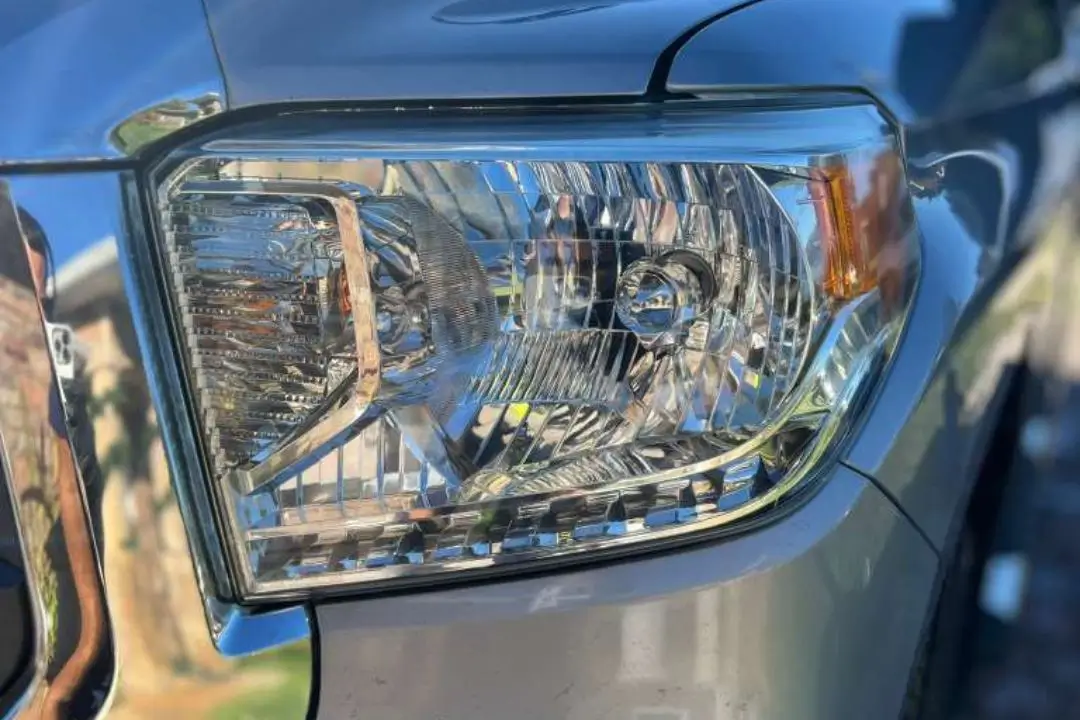
If your headlights are starting to look cloudy or slightly yellow, you’re not alone. It happens slowly, and most people don’t notice it until visibility drops at night or the front of the car no longer looks as clean.
That’s where ceramic coating comes back to save your headlights, fix the problem and prevent it from coming back. It adds a thin protective layer over the lens. That helps keep it clear, smooth, and easier to maintain.
But is it safe or just a myth? Let’s see from an expert POV.
Can I Use Ceramic Coating On Car Headlights?
Yes, you can, and in most cases, you should. Ceramic coating works well on headlights because they’re made of plastic. This is more prone to fading, yellowing, and oxidation over time. The coating adds a thin protective layer that helps shield the surface from UV exposure, moisture, and everyday contaminants.
But if your headlights are already cloudy or oxidised, the coating won’t fix that on its own.
The surface needs to be properly cleaned and restored first. Once clarity is restored, the coating helps lock in that result and slow future damage.
So, yes, you can apply ceramic coating to headlights. But it works best as protection after the surface is in good condition, not as a quick fix for damage.
How Long Does A Ceramic Coat Last On Headlights?
Ceramic coating on the headlight can last around 1 to 3 years of protection. Shorter-lasting, DIY-style coatings usually fall in the 6–12 month range. They still help with clarity and water repellency, but they wear down faster.
On the other hand, professionally applied coatings tend to last longer because the surface is properly prepared and the coating bonds better.
Key Benefits of Ceramic Coating for Headlights
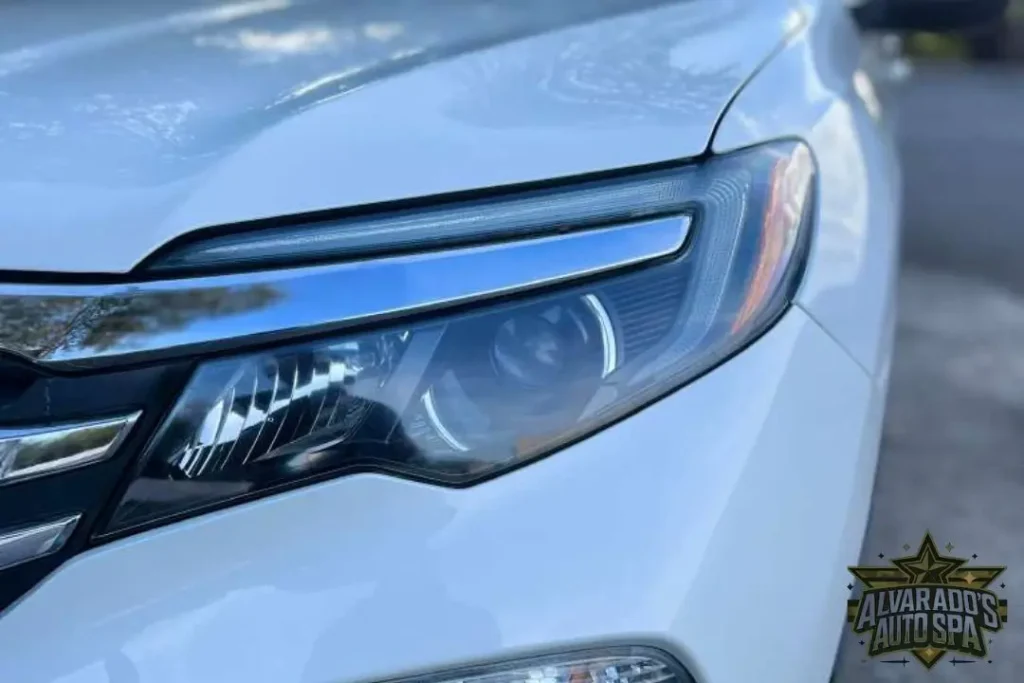
Ceramic coating does more than just make your headlights look clear again. It adds a layer of protection that helps them stay that way for much longer.
1. UV Protection and Yellowing Prevention
One of the main reasons headlights turn yellow is constant exposure to sunlight. Over time, UV rays break down the surface of the plastic, resulting in a cloudy, aged appearance.
A ceramic coating adds UV protection for headlights, helping block that damage.
It doesn’t stop it forever, but it slows it down significantly. That means your headlights stay clearer for longer instead of fading again within months.
2. Oxidation and Weather Resistance
Headlights are always exposed to the environmental heat, rain, humidity, and air pollution. All of this contributes to oxidation. This is what causes that hazy, worn-out surface.
With an oxidation prevention coating, the lens is better protected against these elements. It acts as a barrier, helping reduce the impact of weather and slowing the rate at which the surface starts to degrade again. This is where a weather-resistant headlight coating really makes a difference over time.
3. Scratch and Chemical Resistance
Every day driving exposes your headlights to small impacts and contaminants. Dust, road debris, bug splatter, and cleaning chemicals can all affect the surface.
A coating adds a light layer of scratch resistance for plastic lenses. It will help reduce minor marks and wear. It also provides chemical resistance. So, things like bug residue or road grime don’t stick as easily or cause damage as quickly.
4. Long-Term Protection
Without protection, headlights often need frequent restoration. They fade, you fix them, and then the cycle repeats.
With coating, you’re adding long-lasting headlight protection that helps maintain clarity over time. It reduces the frequency of lens restorations and makes regular cleaning easier. Instead of constantly fixing the problem, you’re preventing it from recurring.
What Is the Best Coating for Headlights?
We recommend that car owners use this kind of ceramic coatingin headlights:
1. Dedicated Headlight Ceramic Coating Kits
These are made specifically for headlight lenses, so they tend to perform more reliably than general coatings. They’re designed to work with plastic and usually come as a complete system that includes cleaning, restoration, and protection.
They’re a strong choice if your headlights are already cloudy or slightly yellow. Once applied, they help restore clarity and add a protective layer that slows down future fading and oxidation. For most car owners, this is one of the most practical and balanced options.
2. Nano Ceramic Coatings for Headlights
These coatings focus more on long-term protection and surface performance. They form a tighter bond with the lens and usually last longer than basic coatings.
They work best when the headlights are already in good condition or properly restored first. After application, you’ll notice better clarity, smoother surface feel, and improved resistance against sun exposure and discoloration over time.
3. Professional-Grade Ceramic Coatings
This is the highest level of protection, usually applied by detailers after proper restoration work. The process involves sanding, polishing, and preparing the surface before applying the coating.
Because of that prep, the coating bonds better and lasts longer. It provides stronger resistance against UV damage, weather, and daily wear. This option makes the most sense if you want maximum durability and don’t want to deal with frequent reapplication.
4. Hybrid Ceramic Sealants
These are lighter, more basic coatings that are easy to apply at home. They don’t require much preparation and can be used as a quick solution.
They do improve water repellency and add a bit of shine, but the protection doesn’t last very long. Over time, they wear off faster compared to dedicated or professional coatings. They’re best for short-term improvement rather than long-term protection.
Headlight Restoration Process Before Coating
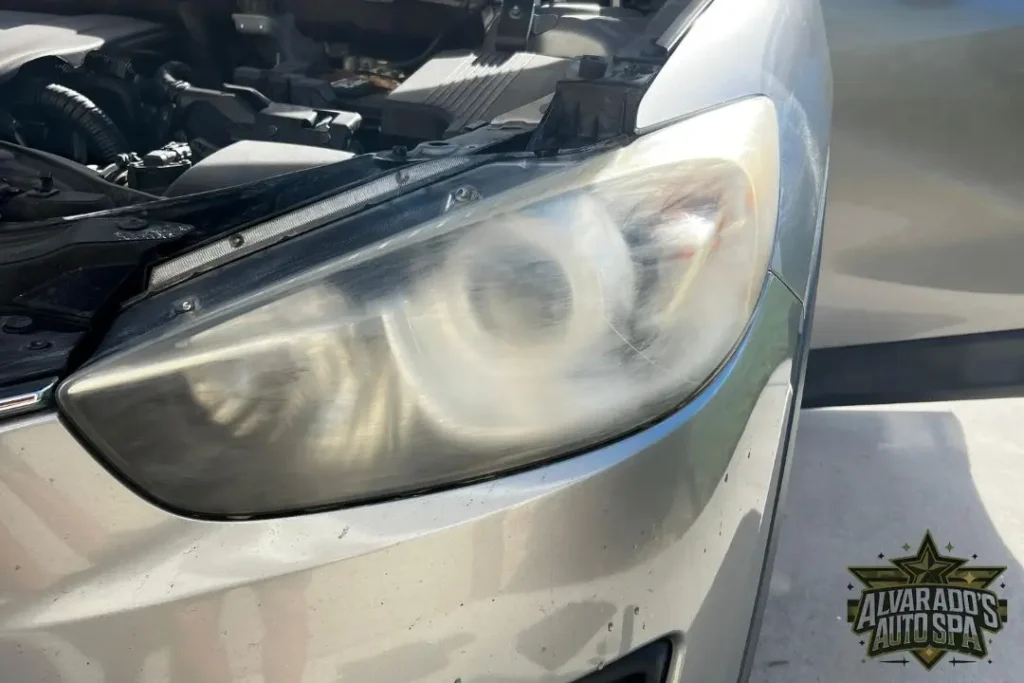
Here is the process we usually follow before doing ceramic coating on the headlight:
1. Cleaning and Surface Preparation
The process always starts with a deep clean. This isn’t just a quick wash. The goal is to remove dirt, road film, oils, and any surface contaminants stuck to the lens.
This step matters because anything left on the surface can interfere with the coating’s later bonding. A properly cleaned surface ensures the coating sits evenly and performs the way it should.
It’s the foundation of the entire headlight restoration process, even though it often gets overlooked.
2. Sanding and Polishing
Once the surface is clean, the next step is sanding. This might sound aggressive, but it’s controlled and necessary. Over time, headlights develop a thin, damaged layer caused by sun exposure and oxidation. Sanding removes that worn-out layer.
After sanding, polishing is performed to restore smoothness and shine.
This step is what starts restoring that clear look. Together, sanding and polishing the headlight. It helps level the surface and remove imperfections that make the lens look cloudy.
3. Oxidation Removal and Clarity Restoration
This is where the real transformation happens. Oxidation is what causes that yellow, foggy appearance. By removing it, the lens becomes clearer and allows light to pass through properly again.
As the dull layer is removed, you’ll notice a big improvement in transparency. This is the stage where headlight clarity restoration becomes visible.
When these steps are done properly, the headlights are fully prepped. That’s when the coating can be applied to lock in clarity and slow future oxidation, rather than just covering up the problem.
Before vs After: What Changes You’ll Notice
The difference between untreated and coated headlights is evident almost immediately. It’s not just a small upgrade, it’s a clear transformation in both appearance and performance.
1. Foggy vs Crystal Clear Headlights
Before restoration, headlights often look cloudy, yellow, or hazy. This happens because of oxidation and surface damage building up over time. Light struggles to pass through properly, which affects both appearance and visibility.
After the process, the lenses become clear again.
You get that foggy-to-clear headlights transformation where the surface looks clean, transparent, and much closer to its original condition. This is the most noticeable part of any headlight restoration, the before-and-after result.
2. Dull vs Glossy Surface Finish
Untreated headlights usually have a rough, dull look. The surface doesn’t reflect light well, which makes the front of the car look older than it actually is.
After coating, the finish becomes smoother and more polished. You’ll notice a glossy headlight finish that reflects light evenly, giving the lenses a fresh, well-maintained appearance.
It’s not just shine, it’s clarity and smoothness working together.
3. Improved Visibility and Light Output
One of the biggest practical changes shows up at night. When headlights are cloudy, the light output is weaker and more scattered. That can reduce how far and how clearly you can see on the road.
After restoration and coating, light passes through more efficiently. This leads to enhanced light output and noticeably improved night visibility.
The beam becomes clearer and more focused, which makes driving feel safer and more comfortable in low-light conditions.
Mainly, the change isn’t just visual. You’re improving how your headlights look and how they actually perform every time you drive.
Is Ceramic Coating for Headlights Worth It?
Yes, it is worth it. But you notice the difference over time. It’s not just about making them look clear again, it’s about keeping them that way with less effort.
If your headlights are starting to look dull, foggy, or slightly yellow, coating helps restore that clean finish and slows the rate of fading.
It also makes day-to-day maintenance easier because dirt and grime don’t stick to the surface as easily.
- It improves clarity so your headlights look cleaner and more transparent.
- It helps slow down UV damage that causes yellowing and fading.
- It reduces how often you need to restore or polish them again.
- It makes cleaning quicker because dirt doesn’t cling as much.
You still need basic care, but the difference is you’re not constantly fighting oxidation and cloudiness.
Final Thoughts
Ceramic coating for headlights is not about making things look perfect for a moment. It’s about keeping them clear for longer. When headlights stay clean and protected, you get better visibility, safer night driving, and less need for repeated restoration.
It’s a simple upgrade, but it makes everyday driving feel a bit more comfortable and less stressful over time.
Frequently Asked Questions
Does ceramic coating restore cloudy headlights?
Not by itself. If your headlights are already cloudy or yellow, they first need to be cleaned and restored. The coating comes after that. It helps lock in the clarity and slows down future fading, but it doesn’t fix oxidation on its own.
How long does headlight coating last?
It usually lasts anywhere from 1 to 3 years depending on the type of coating, how much sun exposure the car gets, and how well you maintain it. Regular cleaning and proper care can help it last longer.
Can I apply ceramic coating without restoration?
You can, but it’s not ideal. If the surface is already dull or damaged, the coating will seal in those imperfections. For best results, the headlights should be properly cleaned and restored first.
Does it improve night driving visibility?
Yes, it can. Clearer headlights allow more light to pass through, improving brightness and beam clarity at night. It doesn’t upgrade your bulbs, but it helps your existing lights perform better.
Is it safe for all headlight types?
Yes, ceramic coating is generally safe for most modern polycarbonate headlight lenses. The key is proper preparation and using a coating designed or suitable for automotive exterior plastics.